
Sharp-scale mannagrass
Glyceria acutiflora
Description
Sowing dates
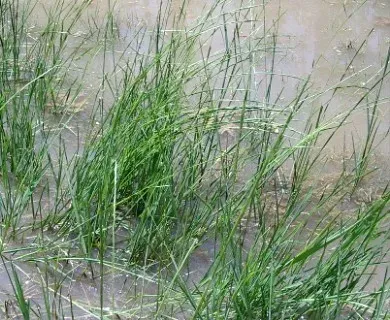
Sharp-scale mannagrass (Glyceria acutiflora) is a perennial member of the Poaceae family, known for its adaptability to wetland environments. It propagates naturally through its rhizomatous root system, which helps in rapid colonization of suitable habitats.
For agricultural cultivation, sowing should take place in early spring once soil temperatures reach approximately 8–10 degrees Celsius. Ensuring the seeds maintain proper contact with moist soil is essential for uniform germination.
Due to the small size of the seeds, they should be sown shallowly, ideally at a depth of 1–2 centimeters. Compacting the soil surface after seeding is a critical step to prevent the top layer from drying out too quickly.
Seeding rates typically range between 8–12 kilograms per hectare for pure stands. Once established, the grass spreads vigorously through vegetative growth, forming a dense and resilient sward within a few growing seasons.
Using high-quality seeds with strong germination energy is vital for the successful establishment of the crop, providing a stable foundation for years of productive forage harvest.
Growing requirements
This crop is a true hydrophyte, thriving in environments with high water availability. Sharp-scale mannagrass is an excellent candidate for reclaimed lands, marshy riverbanks, and areas prone to periodic seasonal flooding.
One of the primary benefits of this species is its exceptional tolerance to submerged conditions. It can survive for extended periods under water, making it a reliable crop for sites that are too wet for conventional grasses.
The soil should be rich in organic matter. While it prefers peat-based, alluvial, or silty soils, it is adaptable to a variety of pH levels, though it performs best in neutral to slightly acidic conditions.
Climatic adaptability is a significant strength of this species; it possesses robust winter hardiness and can endure harsh freezing temperatures without compromising the vitality of its deep-seated rhizomes.
While the grass is shade-tolerant, it achieves peak biomass production under full sun. Adequate light exposure is necessary for healthy photosynthesis, which in turn accelerates post-harvest recovery cycles.
Yield
Sharp-scale mannagrass is primarily utilized as a forage crop, highly valued for its early spring regrowth that provides fresh feed when other grasses are just beginning to emerge. It can be grazed or harvested as hay.
The biomass yield is highly dependent on moisture levels and nutrient availability. Under optimal conditions, the field can support two to three cuttings per season, ensuring a consistent supply of quality feed.
Nutritionally, this grass is rich in proteins and soluble sugars, making it a desirable component in livestock diets. Both ruminants and other grazing animals consume it readily, either as green fodder or stored silage.
Beyond its feed value, the species plays an important role in ecological land management. Its robust root structure helps stabilize wet soils, preventing erosion and aiding in the phytoremediation of contaminated water.
Seed production is consistent enough to allow growers to maintain their own seed stock, although careful management is required during the maturation phase to prevent losses due to natural seed shattering.
Main diseases and pests
Generally, sharp-scale mannagrass is considered a resilient species with few major enemies. However, in poorly managed stands or during exceptionally humid seasons, fungal diseases such as rust can occur.
Powdery mildew may occasionally impact foliage during periods of stagnant air and high humidity. Regular cutting is the most effective cultural practice to promote air circulation and limit the spread of pathogens.
Insect pests, such as cereal flies or aphids, may occasionally attack tender young shoots. In most cases, these infestations are minor and do not require chemical intervention if the crop's vigor is maintained through proper soil management.
Weed competition is only a significant threat during the initial establishment year. Once the dense rhizomatous network is formed, the grass effectively outcompetes most weeds, creating a clean and productive sward.
Good agricultural practices, such as maintaining an appropriate water regime and avoiding overgrazing, are sufficient to keep the stand healthy, minimize the need for external inputs, and ensure long-term productivity.
Harvesting
Harvesting for green fodder should ideally occur during the booting or early heading stage to maximize the concentration of nutrients and protein before the stems lignify and lose palatability.
When producing hay, extra care is required during the drying process due to the succulent nature of the stems. Utilizing mechanical tedding and active ventilation in the barn ensures the retention of nutrients and prevents spoilage.
Seed harvesting should be performed when the seeds reach full maturity. Because the seeds are delicate, combining equipment must be adjusted to a lower speed to minimize physical damage and loss during processing.
Post-harvest treatment involves thorough cleaning to remove organic debris and drying the seeds to a moisture level that prevents self-heating during storage, thus ensuring high germination rates for future planting.
After the final harvest, applying light mineral fertilization can help replenish nutrients, supporting the plant's metabolic processes as it prepares for dormancy and ensuring vigorous regrowth in the following spring.