
Schizachyrium sanguineum
Schizachyrium sanguineum
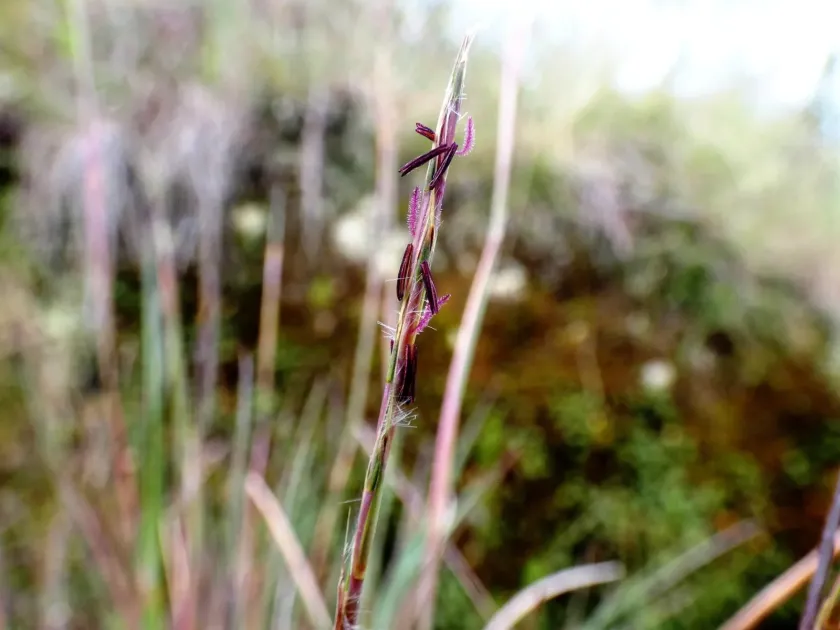
Description
Sowing dates
Schizachyrium sanguineum, commonly known as hairy bluestem, is a perennial grass of the Poaceae family. Sowing is typically performed in spring once soil temperatures are consistently above 15°C.
Seed depth should be kept shallow, at approximately 1 to 2 centimeters, to facilitate optimal germination without burying the seeds too deep to emerge.
Row spacing of 30 to 50 centimeters is recommended for agricultural production to ensure adequate airflow and reduce competition for nutrients between individual plants.
Achieving good soil-to-seed contact is essential. Using mechanical press wheels after sowing significantly improves germination rates in field conditions.
Initial establishment is relatively slow compared to other grasses, requiring careful weed management during the first year of growth to ensure success.
Growing requirements
This species thrives in well-drained soils with a pH ranging from 5.5 to 7.0. It is highly adaptable to poor, rocky, or sandy soils where other crops struggle.
Full sun is required for optimal health and to bring out the species' characteristic reddish-purple foliage coloration, which is highly sought after.
It displays excellent drought tolerance once established, thanks to its deep and robust root system that accesses moisture deep within the soil profile.
The grass is sensitive to prolonged waterlogging, which can lead to root rot and diminished plant vigor in low-lying areas of the field.
Climatic adaptability is broad, although it favors regions with warm summers that facilitate robust biomass production and uniform seed ripening.
Yield
The agricultural value of this grass is found in its biomass production, often used as supplemental forage for livestock in extensive grazing systems.
Yield capacity is influenced by soil nutrient levels and available moisture, though the plant is inherently capable of surviving in low-input environments.
In addition to agricultural use, its ornamental value provides an alternative income stream for farms engaged in the production of native landscape materials.
Proper management of the stand allows for long-term sustainability, as the perennial nature of the grass reduces the need for frequent reseeding.
Seed production can be profitable for specialized nurseries and growers focusing on native plant species and ecological restoration seeds.
Main diseases and pests
Rust fungi are the primary pathological threat, particularly in humid climates where poor aeration within the canopy favors the development of fungal spores.
Pests such as aphids and leafhoppers can damage leaves and stems, potentially transmitting viral diseases that reduce the overall health of the crop.
Root rot becomes a significant issue only under conditions of poor drainage or extreme soil compaction, necessitating careful site selection before planting.
Competition from fast-growing invasive weeds can stifle development, requiring proactive mechanical weeding or grazing management in the early stages.
Integrated pest management strategies, including monitoring and timely intervention, are essential to maintain the productivity and appearance of the crop.
Harvesting
For forage, harvesting should occur before the plant reaches the full flowering stage to maintain the highest concentration of crude protein and digestibility.
When harvesting for seeds, timing is critical. Because seeds ripen unevenly, monitoring the color change of the panicles is necessary to maximize yield.
Mechanical harvesting equipment should be set to maintain a cutting height that does not damage the crown of the plant, ensuring rapid regrowth.
Drying the harvested biomass is crucial for storage; proper aeration in hay barns prevents mold growth and preserves the nutritional quality of the forage.
In ornamental settings, late-season mowing or burning is a standard practice to clear dead biomass and prepare the plants for a new growth cycle.