
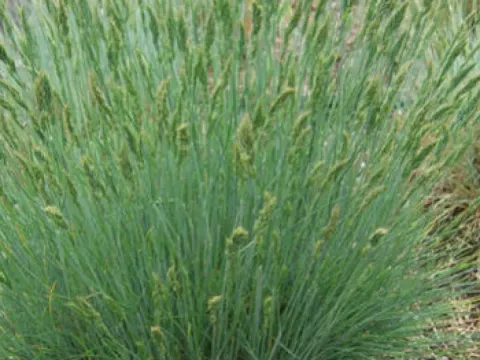
Sand Fescue
Festuca arenaria
Sand Fescue (Festuca arenaria) is a perennial grass species belonging to the Poaceae family. It is widely recognized for its ability to thrive in extremely poor, sandy environments where most other forage crops would fail to establish.
What the section contains
Sand Fescue
Originating from coastal regions of Europe, this species is naturally adapted to salt spray, shifting dunes, and nutrient-poor soils. It has become an essential tool in land management for preventing wind erosion in fragile ecosystems.
The botanical structure of the plant is characterized by a vigorous rhizomatous root system, which binds soil particles together. The leaves are typically stiff and involute, an adaptation that allows the plant to maintain water balance during extended dry spells.
Sand Fescue requires full sunlight and prefers loose, well-drained soil. It is highly intolerant of waterlogged conditions and prefers areas with low nitrogen levels, where it faces minimal competition from taller, more demanding grass species.
When sowing, it is essential to ensure shallow placement in the sand to allow the fragile seedlings to emerge effectively. No intensive fertilization is required, as the plant is evolved to extract nutrients from highly mineralized or impoverished substrates.
The plant is susceptible to various rust fungi (Puccinia spp.) that can affect leaf health during humid summers. These infections can lead to a decrease in overall vigor and may impact the longevity of the stand.
Pests that commonly impact this species include larvae of scarab beetles that attack the root system, as well as various aphids that feed on the sap during the peak growing season. These pests can weaken the plant, making it more vulnerable to secondary fungal infections.
Management of these threats is best achieved through preventative measures, such as maintaining optimal stocking rates in grazing areas and avoiding monoculture practices. Diversity in the landscape helps to naturally control population surges of specialized pests.
In cases of severe infestation, biological controls are preferred over synthetic pesticides to maintain the integrity of the ecosystem. Regular monitoring during the spring and autumn months is vital for detecting early signs of disease outbreaks.
The resilience of the species is high, but it should not be subjected to constant heavy grazing pressure. Sustainable management involves rotational grazing or occasional cutting to encourage root health and prevent the thinning of the ground cover.