
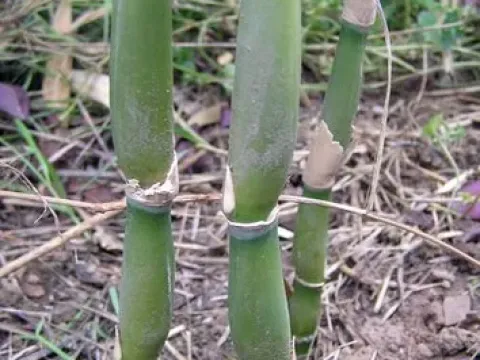
Pseudosasa amabilis
Pseudosasa amabilis
Pseudosasa amabilis, widely known in trade as Tonkin cane, is a perennial evergreen bamboo species belonging to the Poaceae family. It is native to the subtropical regions of China, particularly thriving in humid, mountainous environments.
What the section contains
Pseudosasa amabilis
This species requires fertile, well-draining soil with high organic matter content to reach its full growth potential. Adequate moisture levels are crucial, especially during the active growing season, though the soil must not remain waterlogged for long periods.
The ideal climate for this bamboo is a temperate-to-subtropical one with mild winters. While it can withstand occasional light frosts, prolonged exposure to temperatures below -10°C will cause severe damage to the culms and leaf structure.
Agricultural management requires careful planning due to the plant's spreading nature. Rhizome barriers are essential in a managed setting to prevent the bamboo from becoming invasive and to keep the harvesting areas clearly defined.
Propagation is typically performed through rhizome division in early spring. This ensures that the bamboo has enough time to establish its complex root system before the onset of the hottest summer temperatures, facilitating rapid expansion.
Pseudosasa amabilis is commercially renowned for producing high-quality, durable, and straight culms. Historically, these have been the primary material for high-end fishing rods, ski poles, and various musical instruments due to their flexibility and strength.
The harvest is conducted during the winter months when the plant is dormant. Harvesting at this time ensures that the moisture and sugar content in the culms are at their lowest, which significantly improves the durability and prevents splitting after processing.
Selective harvesting is key to sustainable production. Only mature culms of appropriate diameter are removed, which promotes the growth of new, vigorous shoots from the subterranean rhizome network during the following spring.
Post-harvest processing involves air-drying the canes in a vertical position to preserve their perfectly straight shape. This method prevents the culms from bending or warping, ensuring their value in the global manufacturing market.
When managed properly, a Pseudosasa amabilis grove can provide a consistent annual yield for decades, making it a reliable crop for specialized agricultural enterprises focused on industrial-grade bamboo products.
The most common biological threats to this species are fungal leaf spot diseases, which thrive in stagnant, humid air. Proper canopy management and spacing are necessary to encourage airflow and reduce the incidence of these pathogens.
Pests such as aphids and spider mites are frequent adversaries in bamboo groves. They feed on the sap of young, succulent shoots, often leading to stunted development and a loss of aesthetic or structural quality in the final product.
Bamboo scale insects can also colonize the culms, causing significant damage over time. Regular monitoring of the groves allows farmers to intervene early with appropriate cultural or biological control methods to mitigate these infestations.
Sanitation practices, such as removing fallen leaves and pruning dead or diseased stalks, are essential to maintain grove hygiene. This significantly reduces the overwintering sites for both pests and fungal spores.
Implementing a balanced nutrient management program supports the plant's natural defense mechanisms. Healthy, well-nourished Pseudosasa amabilis plants are inherently more resilient to both climatic stress and biotic attacks.