
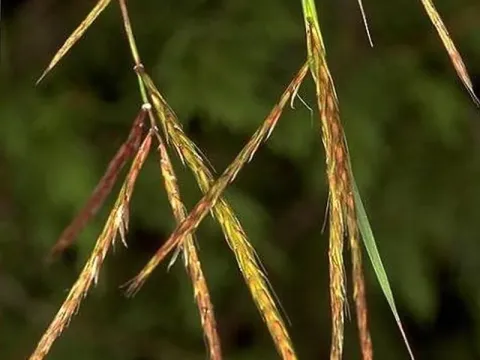
Pseudosorghum
Pseudosorghum
Sowing Pseudosorghum requires well-warmed soil, as the crop is sensitive to low temperatures during early development. The optimal sowing window occurs when the topsoil temperature reaches 12–15 degrees Celsius.
What the section contains
Pseudosorghum
Seeding rates depend on soil fertility and the intended use of the crop, typically ranging from 15 to 25 kilograms per hectare. Seeds should be sown at a depth of 3–5 centimeters to ensure sufficient contact with moist soil.
To ensure uniform emergence, row or cross-sowing methods with row spacings of about 45–60 centimeters are preferred. This provides the best conditions for subsequent field maintenance and effective weed control.
In regions with short growing seasons, sowing dates should be as early as possible while still avoiding the risk of late frosts. Timely sowing is critical for accumulating sufficient biomass before the onset of autumn cooling.
Following crop rotation protocols helps reduce the risk of pathogen buildup, so it is not recommended to plant this crop immediately after other cereals in the same field.
Pseudosorghum belongs to the Poaceae family and is characterized by high drought tolerance, making it valuable for regions with limited rainfall. The plant can efficiently manage water usage by entering a state of physiological dormancy during extreme heat.
Successful growth requires sunny fields with light-to-medium textured soils rich in nutrients. The crop reacts negatively to waterlogging and poor drainage, so adequate site selection is essential.
The optimal soil pH for cultivation is between 6.0 and 7.5, although the plant shows some tolerance to salinity. Applying mineral fertilizers, especially nitrogen, during early growth stages significantly accelerates the development of vegetative mass.
Temperatures during the active growing season should ideally range from 20 to 30 degrees Celsius, which promotes the accumulation of sugars and carbohydrates in the stems. Sudden temperature fluctuations can slow the plant's metabolism.
Wind plays a positive role in crop aeration, reducing the risk of fungal diseases by facilitating the evaporation of excess moisture from leaf surfaces.
The green mass yield of Pseudosorghum varies depending on the climatic zone and the level of agronomic management applied. With proper care, performance metrics can reach significant volumes, comparable to traditional sorghum varieties.
When grown for grain, yield depends on plant density at harvest and the timeliness of fertilization. High-quality seeds exhibit high germination energy, which directly correlates with the final crop outcome.
Competition from weeds during the first month after emergence is a critical yield factor: failing to manage weeds can reduce productivity by 30-40 percent. Regular inter-row cultivation significantly boosts field performance.
The application of micronutrients, such as zinc and boron, promotes better panicle formation, which positively impacts grain yields. This is particularly important for depleted soils that require additional nutritional support.
Final output depends on the biological potential of the chosen variety, which must be matched to specific regional environmental conditions to reach maximum yield levels.
The primary threats to Pseudosorghum include diseases affecting the root system and leaves, particularly in high-humidity conditions. Fusarium wilt and various smut species are among the most common threats that can degrade crop quality.
Pests such as cereal aphids and wireworms can cause significant damage to young seedlings, making pre-sowing seed treatments with insecticides a standard preventive practice. Monitoring insect populations during the tillering stage is mandatory.
The plant is also susceptible to the European corn borer, whose larvae penetrate the stem and disrupt nutrient flow. Targeted chemical protection is necessary upon the detection of infestation outbreaks.
Non-infectious risks include crop lodging during high winds or as a result of excessive nitrogen fertilization. Resistance to lodging is largely determined during the planting stage by selecting the correct plant density.
Disease prevention includes the use of certified, pathogen-free seed material and strict adherence to irrigation schedules to avoid creating environments conducive to mold and rot development.
Harvesting Pseudosorghum for green fodder should occur during the booting or panicle emergence stage, when nutrient content in the plant reaches its peak. Delaying this stage leads to stem lignification and a decrease in nutritional value.
When harvesting for grain, it is vital to wait for full maturity, when grain moisture drops to 14–16 percent. This ensures product stability for long-term storage without the need for expensive drying processes.
Mechanical harvesting is performed using combine harvesters with precise adjustments to the threshing cylinder to minimize grain breakage. Cutting height should be optimized to collect the maximum biomass when harvesting for hay.
After harvesting, plant residues should be shredded and incorporated into the soil to improve soil structure and organic matter content. This is a crucial agronomic step for maintaining long-term soil fertility.
Collected grain requires immediate cleaning of impurities and storage in well-ventilated facilities. Seed moisture content is the key factor determining how long the crop can be stored without losing germinability.