
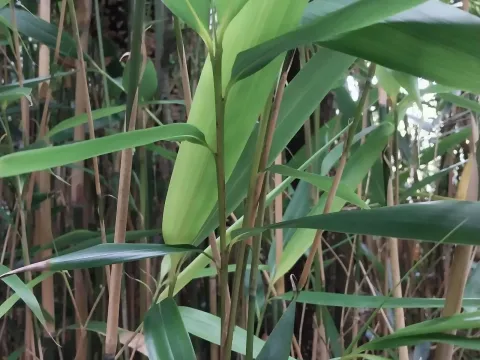
Pseudosasa
Pseudosasa
Pseudosasa is a genus of evergreen perennial plants within the Poaceae family. Native to East Asia, specifically regions of Japan and Korea, these plants are highly valued in horticulture for their lush, dense foliage and elegant bamboo-like structure.
What the section contains
Pseudosasa
This crop thrives in rich, well-draining soils with a slightly acidic to neutral pH. While it appreciates constant moisture, it is susceptible to root rot if left in standing water, making proper soil drainage a fundamental requirement for successful cultivation.
Regarding climate, Pseudosasa is considered relatively hardy compared to other bamboo species. Most varieties can withstand temperatures dropping to -15 degrees Celsius, though protective winter mulching is strongly advised in colder climate zones to preserve rhizome health.
The plants are versatile in terms of light exposure, growing successfully in both full sun and partial shade. However, in regions with intense summer heat, light afternoon shade is preferred to prevent the leaves from scorching and to maintain the vibrant green color.
Maintenance is a key factor in Pseudosasa management. Because it is a running bamboo, it spreads via underground rhizomes. To keep the plant contained, it is recommended to install root barriers or grow the bamboo in large, sunken containers to prevent it from overtaking surrounding areas.
Common pests affecting Pseudosasa include spider mites and aphids, which are particularly active during hot, dry weather. Regular monitoring and overhead misting can help deter these pests, while horticultural oils are effective for severe infestations.
Fungal issues, such as leaf spot or powdery mildew, may occur if the planting site lacks sufficient air circulation. Improving spacing between plants and avoiding overhead watering in the evenings can significantly reduce the incidence of these diseases.