
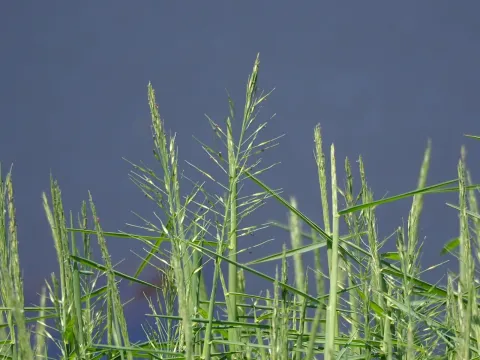
Pseudoraphis
Pseudoraphis
Pseudoraphis is a genus of perennial grasses belonging to the Poaceae family. These plants are primarily native to the tropical and subtropical regions of Australia and Asia. They are specialized hydrophytes, typically found in shallow freshwater habitats, floodplains, and the margins of water bodies, where they contribute to the stability of the aquatic ecosystem.
What the section contains


Pseudoraphis
The plant is characterized by a prostrate or floating growth habit. Its stems, or culms, are often branched and have the capability to root at the nodes when they touch moist substrates. This biological feature allows the plant to form dense mats or colonies, which are essential for its rapid spread across wetland environments. The leaves are typically narrow, soft, and grass-like, adapted to withstand water submersion.
For successful cultivation, Pseudoraphis requires consistent moisture and high levels of sunlight. It thrives in warm climates and is intolerant of frost or extreme cold. The ideal environmental conditions mimic its natural habitat, requiring stable water levels throughout the growing season to prevent desiccation of the root system.
Soil requirements for Pseudoraphis are focused on water-retention capacity. The plant performs best in silt-rich soils that are neutral to slightly acidic. Such soils provide the necessary nutrient content and consistency to support the plant's shallow root system. Organic-rich muds are considered optimal for maximizing biomass production in agricultural settings.
In terms of хозяйственное использование, this plant serves as a valuable forage resource in regions unsuitable for conventional crops. It is palatable to livestock and provides a reliable source of green fodder in wetland areas. Additionally, Pseudoraphis is recognized for its role in phytoremediation, effectively reducing nutrient runoff and improving water quality in riparian zones.
Like many wetland species, Pseudoraphis is vulnerable to various fungal pathogens, especially under conditions of stagnant water or high humidity. Rust and powdery mildew are the most common diseases that can affect the foliage, leading to reduced photosynthetic activity and overall loss of biomass.
Pests such as aphids and leaf-eating beetles can cause significant damage to the plant's vegetative parts. These infestations are often more pronounced in dense stands where air circulation is limited. The resulting lesions can weaken the plants and facilitate the entry of pathogenic fungi or bacteria.
Management of diseases and pests in aquatic habitats poses significant challenges due to the risk of water contamination. Therefore, cultural practices are preferred over chemical interventions. Maintaining proper stand density and ensuring adequate water movement are effective ways to mitigate the risk of disease spread.
Regular monitoring of the crop is essential to identify early signs of stress or infestation. In cases of severe disease, harvesting or managed grazing of the affected areas can help suppress the spread of pathogens. This practice also rejuvenates the stand, encouraging new, healthy growth.
Competition from invasive aquatic weeds remains a critical threat to the long-term viability of Pseudoraphis stands. These aggressive competitors can outgrow the grass, especially in nutrient-loaded waters, necessitating active management and periodic clearing of the water bodies to protect the forage crop.