
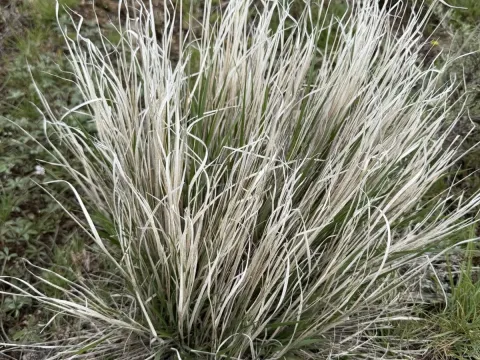
Pseudoroegneria
Pseudoroegneria
Sowing of Pseudoroegneria, often referred to as bluebunch wheatgrass, is most effectively done during the autumn months to allow for natural cold stratification.
What the section contains

Pseudoroegneria
Early spring seeding is a viable alternative in colder climates, provided the sowing occurs as soon as the soil is workable and retains sufficient moisture for germination.
The seeds should be planted at a shallow depth of 1 to 2 centimeters. Pressing the soil with a light roller after sowing ensures optimal seed-to-soil contact.
Standard seeding rates range from 8 to 12 kilograms per hectare, depending on the desired plant density and environmental conditions.
Seedling establishment is characteristically slow. Therefore, it is crucial to manage weed competition during the first year of growth to ensure the survival of young stands.
Pseudoroegneria belongs to the Poaceae family and is highly valued for its exceptional adaptation to harsh, semi-arid environments.
The plant requires well-drained soils and thrives in sandy, loamy, or rocky substrates. It is highly sensitive to waterlogging and poor soil aeration.
This grass is widely recognized for its superior drought tolerance and cold hardiness, enabled by an extensive and deep root system.
Optimal growth occurs in full sun conditions, as the plant is specifically adapted to open range environments with minimal shading.
It has low fertility requirements compared to intensive forage grasses, making it an excellent candidate for low-input sustainable agricultural systems.
The primary use of Pseudoroegneria is for rangeland restoration, pasture grazing, and dryland hay production in regions with limited rainfall.
It provides high-quality forage that maintains its nutritional integrity longer into the season compared to many other common grass species.
Annual yields of biomass are primarily dependent on winter moisture accumulation and spring rainfall events, which drive the primary growth phase.
Livestock demonstrate a strong preference for this grass due to its palatable foliage, especially when grazed before the plant reaches full maturity.
The species shows excellent resilience under managed grazing regimes, allowing for sustained productivity over many years if overgrazing is avoided.
Pseudoroegneria displays high inherent resistance to many common fungal and bacterial diseases that often plague more sensitive cultivated grasses.
Soil-dwelling insects, particularly wireworms, may pose a risk to newly established stands, necessitating monitoring during the initial growth stages.
Root rot diseases can be triggered by sustained high humidity and poor drainage, underlining the importance of proper site selection for cultivation.
Leaf-feeding insects such as aphids may occur but rarely reach outbreak levels sufficient to justify chemical control measures in established fields.
Weed encroachment represents the most significant management challenge, particularly during the establishment period when the grass is most vulnerable to competition.