
Pseudoxytenanthera
Pseudoxytenanthera
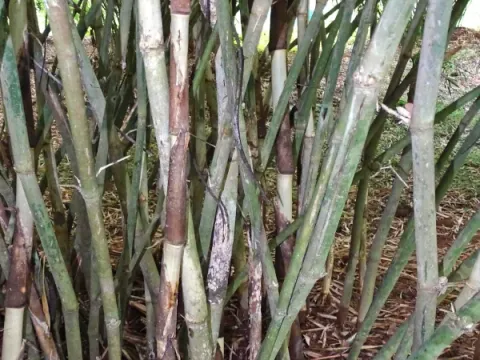
Pseudoxytenanthera is a genus of perennial evergreen plants belonging to the Poaceae family, specifically the bamboo subfamily. These plants are characterized by their robust, woody stems known as culms, which can attain impressive heights and diameters.
What the section contains

Pseudoxytenanthera
Native to tropical and subtropical regions of Asia, including India and Sri Lanka, these plants thrive in high-humidity environments. They are typically found in forest ecosystems and riverbank habitats where rainfall remains consistent throughout the year.
The culture requires fertile, well-draining soil with a pH level ranging from neutral to slightly acidic. They are sensitive to environmental stress and demand temperatures between 20°C and 30°C for optimal growth, being highly intolerant of frost conditions.
A distinctive botanical feature is the sympodial rhizome system, which promotes the growth of dense clumps. This structural adaptation allows the bamboo to stabilize soil effectively, making it a valuable plant for erosion control in tropical landscapes.
Agricultural success depends on providing adequate irrigation, especially during the dry season, and ensuring the plants receive sufficient sunlight. Proper soil aeration is also critical to prevent root rot and encourage healthy culm development.
The yield of Pseudoxytenanthera is primarily assessed by the volume of woody biomass produced over a defined harvest cycle. On well-managed plantations, this bamboo can provide a significant harvest every three to five years.
Its primary economic use lies in the production of high-strength building materials, furniture, agricultural tools, and pulp for paper production. The flexibility and tensile strength of its fibers make it a preferred material in sustainable construction projects.
Harvesting is usually done through selective cutting of mature culms. This sustainable practice preserves the vitality of the plant clump, ensuring that it remains productive for decades, which is a major advantage for long-term land management.
In certain regions, young shoots of specific species are harvested for culinary purposes. These shoots are valued for their nutritional profile and provide an additional income stream for farmers, enhancing the overall economic viability of the plantation.
To maximize yields, it is recommended to manage the plantation density by thinning out older, non-productive stems. This practice improves air circulation and light penetration, stimulating the emergence of stronger and faster-growing young culms.
Bamboo mites and mealybugs are among the most common pests that can hinder the growth of young shoots. Integrated pest management, focusing on biological controls and minimal chemical intervention, is the most effective way to address these threats.
Fungal pathogens such as rust and leaf spot often appear when air circulation is poor or humidity levels become excessive. Proper spacing between clumps is an essential cultural practice to mitigate the risk of these diseases spreading through the plantation.
Root systems may be susceptible to rodent damage during the establishment phase. Maintaining a clean field free of excessive weeds and debris helps in reducing the habitat for these pests and protects the young rhizomes.
Nutrient deficiencies or improper watering regimes can weaken the overall immunity of the plants, making them prone to viral infections. Regular field inspections are vital for the early detection and management of health issues within the grove.
Strict quarantine measures should be observed when acquiring new planting stock to prevent the introduction of specialized bamboo pests and pathogens into established plantations, ensuring long-term crop security.