
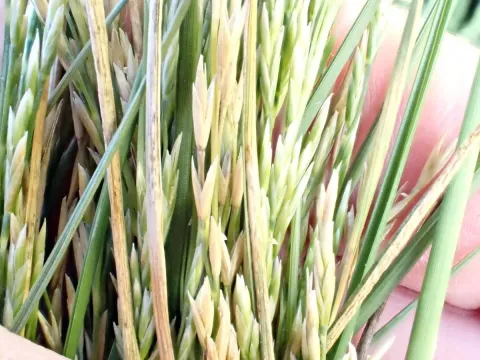
Pseudosclerochloa
Pseudosclerochloa
Pseudosclerochloa is a genus of herbaceous plants belonging to the Poaceae (grass) family. These plants are known for their resilience and ability to thrive in environments that are typically considered marginal for standard agricultural cereal crops.
What the section contains

Pseudosclerochloa
The origin of this genus is closely linked to arid and semi-arid regions of Central Asia. It is naturally adapted to specific climatic conditions, often characterized by extreme temperature fluctuations and limited annual precipitation.
In terms of soil requirements, the plant shows a preference for alkaline or saline soils where competing vegetation is sparse. The root system is specifically adapted to penetrate compacted soil layers and extract moisture efficiently.
Botanically, Pseudosclerochloa exhibits unique adaptations, including xerophytic leaf structure to minimize water loss through transpiration. The inflorescence is typically compact, protecting the developing seeds from intense solar radiation.
Agricultural use focuses on its role as a forage resource in desert pasture management and soil erosion control programs. Its ability to maintain biomass production under environmental stress makes it a valuable species for ecological restoration.
The primary diseases affecting Pseudosclerochloa include various types of rusts that can inhibit photosynthetic efficiency. These fungal pathogens are most active during periods of high humidity and moderate temperatures.
Powdery mildew represents another threat, particularly when plants are grown in overcrowded conditions. Proper spacing and airflow are critical to preventing the rapid spread of this fungal disease within the crop stands.
Pests such as cereal aphids are known to feed on the sap of the plant, potentially transmitting viruses and reducing overall vitality. Monitoring programs are essential to determine the timing of any necessary interventions.
Stem-boring insects may also cause physical damage to the plant, weakening the structure and making it susceptible to wind lodging. Integrated pest management (IPM) strategies, including biological controls, are generally preferred.
To maintain long-term crop health, it is essential to monitor soil drainage to prevent root rot, which often occurs if standing water persists after rare, heavy rainfall events. Maintaining balanced soil nutrient levels helps boost natural immunity.