
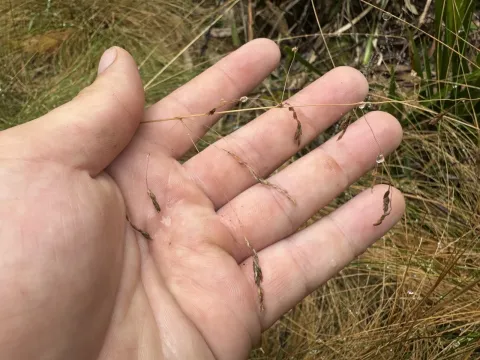
Sieber's bluegrass
Poa sieberiana
Sieber's bluegrass is a perennial grass species that requires meticulous soil preparation for successful establishment. The ideal seeding times are early spring or late summer, capitalizing on moderate moisture levels which are critical for germination.
What the section contains
Sieber's bluegrass
Seeds should be sown at a shallow depth of approximately 1 to 2 centimeters. Post-seeding rolling is highly recommended to ensure good soil-to-seed contact, which significantly improves the germination rate and initial plant development.
The seeding rate varies based on the intended use, with higher densities required for pasture establishment. Drilling in rows with a spacing of 15-20 centimeters is the most effective method for uniform growth and ease of maintenance.
During the first year, growth is relatively slow, making weed control a priority. Ensuring the young seedlings are not overwhelmed by weeds allows for the development of a robust root system that supports long-term survival.
Seeds maintain high viability if stored under cool and dry conditions. This allows farmers to stockpile seeds for subsequent seasons, ensuring that high-quality planting material is always available for meadow improvement.
As a member of the Poaceae family, Sieber's bluegrass is well-adapted to temperate climates. It is recognized for its cold tolerance and its ability to withstand fluctuating temperatures, making it a reliable choice for various regions.
The plant thrives in well-drained loamy or sandy soils. While it shows some tolerance for variable water levels, it performs best in soils with good drainage, as it is susceptible to damage from prolonged waterlogging.
The optimal soil pH range for this species is between 5.5 and 7.0. It is important to monitor soil acidity levels and apply lime if necessary, as high acidity can inhibit nutrient uptake and limit overall biomass production.
Sunlight is a key factor for the health of Sieber's bluegrass. It is a heliophilous species that requires full sun exposure to reach its maximum productive potential and to maintain a dense, healthy turf layer.
Nutrient management is essential for high yields. Providing nitrogen-based fertilizers in early spring stimulates vegetative growth, significantly improving the quality and quantity of the forage produced during the season.
The yield of Sieber's bluegrass is highly dependent on management practices. With proper fertilization and optimal harvesting schedules, it can provide multiple cuttings per season, offering a consistent supply of forage.
Seed harvesting requires attention to detail because of uneven maturation within the seed heads. The optimal time for harvest is during the wax-ripe stage to prevent excessive shattering and loss of potential yields.
The primary agricultural use is as a high-quality forage source for livestock. Its foliage is soft and highly palatable, ensuring good consumption rates whether it is grazed directly or processed into hay for winter feeding.
The species is also highly valued for its dense root system, which helps bind the soil and prevent erosion. This makes it an excellent choice for reclamation projects and for stabilizing sloping lands in farming areas.
Long-term productivity is maintained through regular maintenance and managed grazing. Rotating pastures prevents the depletion of soil nutrients and allows the grass to recover effectively between grazing cycles.
Rust fungi are among the most common threats to the health of this species, particularly during humid weather. Monitoring leaf health and implementing timely mowing helps to reduce humidity levels within the canopy and prevents fungal spread.
Insect pests, such as grass flies and aphids, can cause damage to young shoots. Integrated pest management strategies, such as timing the sowing to avoid peak pest cycles, are effective in controlling these threats.
Root rot diseases may occur in poorly drained areas or in compacted soils. Improving soil aeration and drainage is the most effective preventative measure to ensure the longevity and vitality of the grass stand.
Overgrazing is a significant threat that weakens the root system and reduces the competitive ability of the grass. Following a strict grazing schedule ensures that the plants have sufficient time to recover.
Maintaining a balanced ecosystem within the field helps keep pest populations under control. Regularly checking for early signs of disease and pest infestation is crucial for protecting the yield and ensuring the health of the entire field.