
Silver beardgrass
Bothriochloa saccharoides
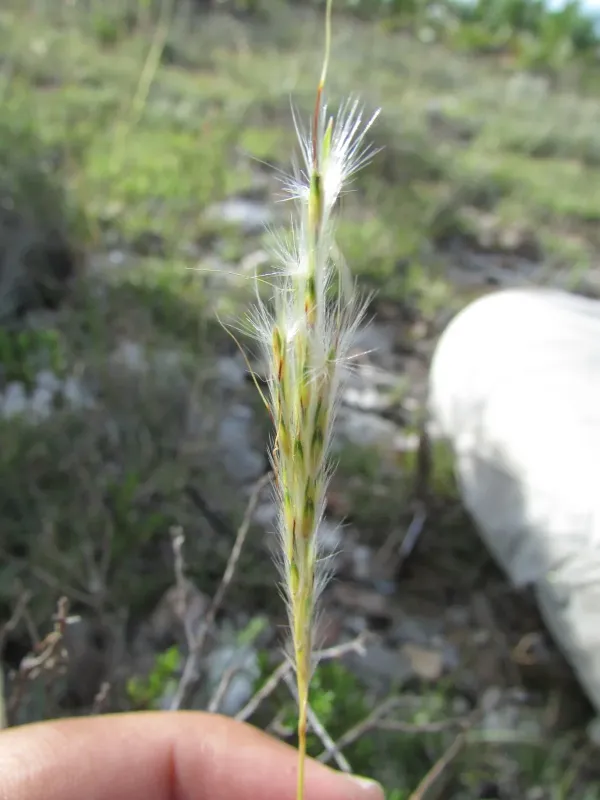
Description
Sowing dates
Silver beardgrass is a perennial member of the Poaceae family, widely recognized for its adaptability to diverse environments. Seeding typically occurs in late spring, once soil temperatures have consistently risen, ensuring optimal germination rates for the seeds.
For successful establishment, a firm seedbed is essential, with seeds sown at a shallow depth of approximately 1 to 2 centimeters. Because the seeds are small, they require consistent contact with moist soil to initiate the germination process.
During the first year, growth is predominantly focused on root development, which may result in slow surface growth. Growers should maintain weed control during this establishment phase to ensure the grass is not outcompeted for resources.
Once established, the plant exhibits a bunch-forming growth habit. Over subsequent seasons, it develops a robust root system that stabilizes the soil and increases the density of the stand through tillering.
Sowing should be performed using calibrated equipment to ensure uniform distribution. Maintaining appropriate row spacing is crucial for maximizing yield and allowing for easier management of the forage stand over time.
Growing requirements
This species is highly drought-tolerant, making it a valuable candidate for regions with limited rainfall. It thrives in well-drained, sandy or gravelly soils where moisture retention might be a limiting factor for other species.
Full sun exposure is a primary requirement for Silver beardgrass to achieve its full potential in biomass production. Reduced sunlight availability can lead to a decrease in the overall health and nutritional density of the forage.
The plant demonstrates significant tolerance to high summer temperatures, which allows it to maintain productivity even during hot, dry periods. It is well-suited for hot climates where warm-season grasses are preferred.
While tolerant of low-fertility soils, the species responds positively to moderate nutrient inputs, especially nitrogen. Balanced fertilization supports vigorous growth and increases the plant's resilience against environmental stress.
Due to its extensive root structure, the plant acts as an effective soil stabilizer. It is frequently employed in erosion control projects on steep hillsides or reclaimed land, contributing to landscape stability.
Main diseases and pests
Fungal diseases, particularly various types of rust, represent the primary health concern for this grass. These infections can decrease leaf area, negatively impacting photosynthetic efficiency and reducing the quality of the harvested biomass.
Smut can also affect inflorescences, which is particularly detrimental for those focusing on seed production. Monitoring fields during the flowering stage is recommended to identify potential outbreaks of fungal pathogens early.
Several insect species, including leafhoppers and grass-feeding beetles, may cause localized damage. While the plant is generally hardy, significant insect pressure can stress the stand and lead to reduced vigor if not managed properly.
Improper grazing management poses a risk to the longevity of a Silver beardgrass stand. Overgrazing can deplete root reserves and expose the soil to erosion, which directly compromises the productivity of the site.
Integrated pest management strategies should be applied to maintain the health of the stand. This includes proper mowing cycles, nutrient management, and occasionally targeted insecticidal applications during high-pressure seasons.