
Shortleaf bluestem
Andropogon brevifolius
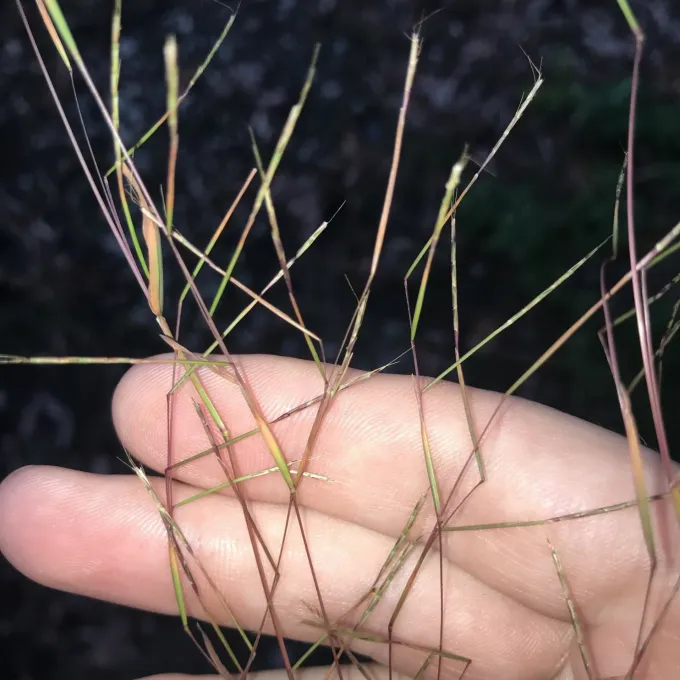
Description
Growing requirements
Shortleaf bluestem (Andropogon brevifolius) is an annual grass species belonging to the Poaceae family. It is native to tropical and subtropical regions across Asia, Africa, and the Americas.
The plant thrives in well-drained soils, showing a preference for slightly acidic to neutral substrates. It is known for its high adaptability to varying moisture levels, although it performs best in full sun exposure.
Climatic requirements are strictly tied to warm growing seasons. Being a heat-loving plant, Andropogon brevifolius requires consistent temperatures throughout its vegetative development to reach full biomass potential.
Botanically, it features a characteristic short-leaf structure and a fibrous root system. This architecture makes it efficient at utilizing resources in sandy or gravelly soils where other species might fail.
In agriculture, it is utilized primarily as a forage crop in warmer climates. It contributes to pasture diversity and can be used in mixed grazing systems if managed properly during its vegetative stage.
Main diseases and pests
The crop is susceptible to common grass diseases, including rusts (Puccinia spp.) and smuts, which can significantly reduce the nutritional value and yield of the forage.
Insects like aphids, thrips, and grass-feeding larvae are the primary pests. High infestation levels during the early growth stage can stunt development and lead to poor stand density.
Management of these threats involves monitoring leaf health and preventing excessive moisture buildup. Improving drainage is a key agronomic step to reduce the risk of root rots and fungal proliferation.
Integrated Pest Management (IPM) practices are recommended to minimize chemical input. This includes crop rotation and the maintenance of a healthy balance between beneficial insects and potential pests.
Regular field scouting is essential to identify early symptoms of disease. Quick intervention with mechanical or chemical means can prevent the spread of localized outbreaks throughout the field.