
Silver hairgrass
Aira caryophyllea
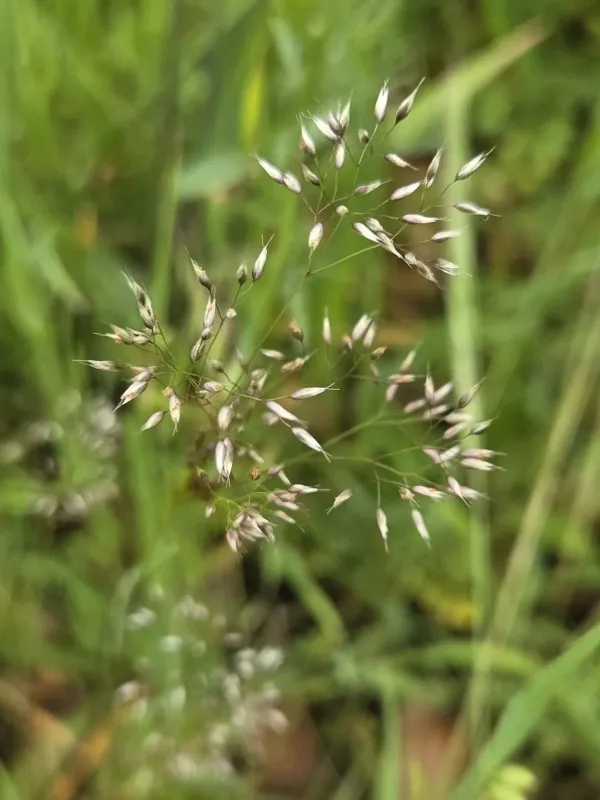
Description
Sowing dates
Silver hairgrass is an annual plant species that typically thrives when sown in early spring. Optimal timing for seeding occurs from April to May, once the soil has warmed up and the risk of severe frost has passed.
Seeds are extremely small and should be sown on the surface of the soil rather than buried deeply. Light exposure is essential for germination, so a light dusting of sand or compost is sufficient to keep them in place.
For successful growth, a consistent moisture level must be maintained during the initial germination phase. Once established, the grass shows great resilience and can thrive in various garden settings.
In warmer climates, fall sowing can be practiced, allowing the seeds to germinate early in the following season. This method often produces more robust plants that flower earlier in the summer.
Natural self-seeding is a characteristic feature of this species. By allowing the seed heads to mature and drop, gardeners can ensure a continuous display of this delicate grass for subsequent years.
Growing requirements
This grass prefers nutrient-poor, sandy, or stony soils that offer excellent drainage. It does not thrive in rich, fertile garden soil, which often leads to excessive leafy growth and loss of its typical delicate structure.
Full sun is a prerequisite for the health and aesthetic appeal of the silver hairgrass. Partial shade may cause the plants to become spindly and reduce the abundance of the characteristic feathery panicles.
It is remarkably drought-tolerant once established, making it a perfect choice for xeriscaping or low-maintenance gravel gardens. The plant is well-adapted to the temperate climates of its native range.
Soil pH should ideally be neutral or slightly acidic. Heavy clay soils must be amended with grit or sand to provide the necessary aeration and to prevent the roots from becoming waterlogged.
When used in landscaping, it creates a soft, hazy effect. It is often paired with other sun-loving perennial flowers to create a naturalistic, meadow-like appearance in the garden.
Main diseases and pests
Root rot is the primary physiological threat to silver hairgrass, usually resulting from excessive irrigation or poorly draining soil conditions. Proper site selection is the best preventative measure.
Pests are rarely a significant issue for this ornamental grass. However, in specific conditions, aphids may occasionally be found on the developing flower stems, requiring simple manual removal or mild intervention.
Fungal issues such as powdery mildew can occasionally develop if the plants are crowded and air circulation is insufficient. Thinning out the plants helps maintain a healthy environment.
Weeds often pose a challenge for seedlings. Regular weeding during the early stages of the growing season is crucial to prevent the seedlings from being choked out by more aggressive species.
In conclusion, the silver hairgrass is a highly resistant and low-maintenance plant that performs exceptionally well when its environmental preferences for sun and drainage are respected.