
Sickle lovegrass
Eragrostis falcata
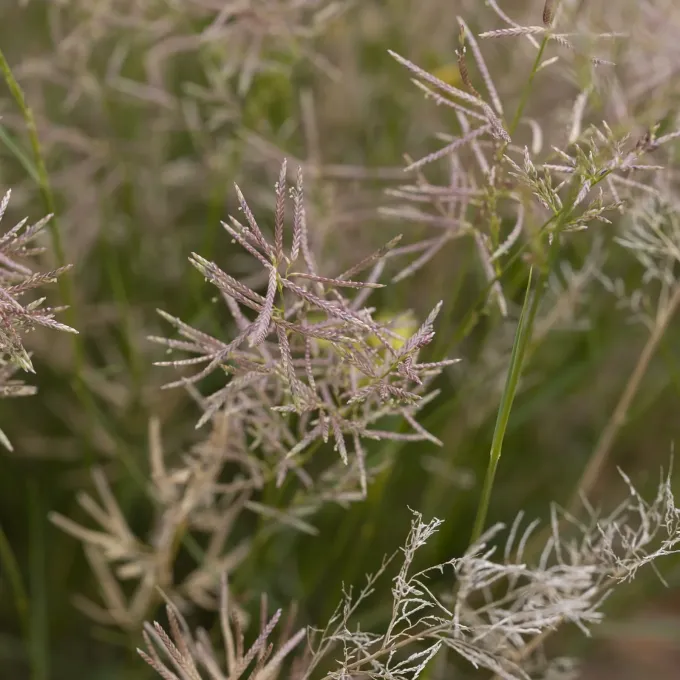
Description
Growing requirements
Sickle lovegrass (Eragrostis falcata) is a perennial grass species belonging to the Poaceae family. It is recognized for its exceptional resilience in arid and semi-arid environments, making it a subject of interest for sustainable agriculture.
The plant is native to the arid regions of Australia. It has evolved to thrive under harsh climatic conditions, primarily characterized by erratic rainfall patterns and high evapotranspiration rates throughout the growing season.
This species performs best in sandy or sandy-loam soils with excellent internal drainage. It is notable for its salinity tolerance, allowing it to be utilized in land rehabilitation projects where other forage grasses might fail to establish.
Temperature requirements are high, as the plant is a warm-season grass that requires sufficient heat units to produce high biomass. It remains dormant during cold periods and resumes rapid growth upon the return of favorable temperatures and soil moisture.
Agricultural management should focus on preserving soil structure. Because of its deep and extensive root system, sickle lovegrass is highly effective at stabilizing soil and preventing erosion in vulnerable areas, which is a major benefit for land management.
Main diseases and pests
The primary threat to sickle lovegrass populations is waterlogging. Excessive soil moisture levels lead to root rot and other fungal diseases, which can rapidly diminish the stand density of a field if drainage is inadequate.
Rust fungi represent a common disease threat, particularly in humid microclimates or during seasons with unusual rainfall patterns. Maintaining sufficient spacing between plants and promoting good air circulation within the canopy are effective preventative strategies.
Insect pests such as locusts or various grass-feeding larvae can cause significant foliage loss. These pests tend to target the tender green shoots, and their impact is most severe during the peak of the growing season.
Soil-borne pests, including wireworms, can damage the crown of the plant during the seedling stage. Implementing a proper integrated pest management (IPM) plan, which prioritizes early crop establishment, is essential for mitigating such risks.
Management of these threats relies heavily on avoiding overgrazing and ensuring that the plants have adequate nutrient availability. A healthy, vigorous stand of sickle lovegrass is generally robust enough to recover from minor pest or disease pressure without significant intervention.