
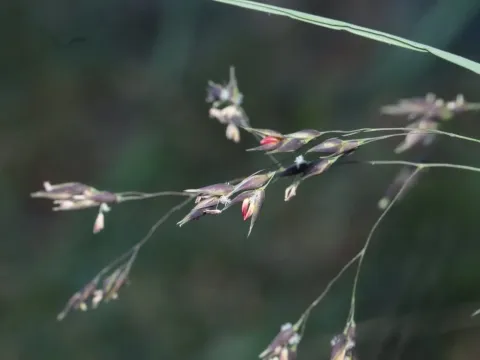
Piptatherum coerulescens
Piptatherum coerulescens
Piptatherum coerulescens is a perennial grass species that requires careful timing for sowing to ensure optimal germination and seedling establishment. Early spring is the most favorable period for planting when soil temperatures range between 5 and 8 degrees Celsius.
What the section contains
Piptatherum coerulescens
In regions with mild winters, autumn sowing can also be successful, allowing seeds to benefit from natural stratification. It is crucial to perform shallow sowing, as the seeds are small and possess limited energy reserves for emergence if placed too deep in the soil.
A standard row-seeding method is recommended to achieve uniform density and facilitate easier field management. The seeding rate should be adjusted based on seed purity and germination testing results to ensure cost-effective resource utilization.
Post-sowing soil compaction is an essential step to ensure good seed-to-soil contact, which promotes moisture absorption from the subsoil. This is particularly important in arid climates where surface moisture can deplete quickly after sowing.
The ideal sowing depth is 1 to 2 centimeters. This depth strikes a balance between protecting the seed from drying out and ensuring that the coleoptile can easily penetrate the soil surface to begin the photosynthetic process.
As a member of the Poaceae family, Piptatherum coerulescens is highly adapted to xerophytic environments. It performs best in well-drained, light-textured soils, thriving even in stony or sandy conditions where other forage crops struggle to grow.
This species is exceptionally drought-tolerant, making it an excellent candidate for regions prone to water scarcity. It requires full sun exposure and is intolerant of shading, which should be considered when selecting a site for cultivation.
While it is adaptable to various pH levels, it shows optimal productivity on neutral to slightly alkaline soils. Proper drainage is vital, as the plant is highly susceptible to root damage caused by waterlogging and poor soil aeration.
Agronomic management should include balanced fertilization, with a focus on phosphorus and potassium to encourage robust root development. A strong root system is the plant's primary strategy for surviving extreme temperature fluctuations and water deficits.
Nitrogen fertilization in early spring, following the resumption of vegetative growth, can significantly increase biomass yield. Such practices ensure the plant remains productive and maintains high nutritional value for livestock throughout the grazing or haying season.
The yield of Piptatherum coerulescens is highly dependent on environmental factors and the level of agricultural inputs. Under irrigation or favorable rainfall, the species exhibits excellent regrowth potential, allowing for multiple harvests during the growing season.
The primary use of this grass is for high-quality hay production and as a reliable pasture source. It is palatable to livestock, particularly at the vegetative stage, providing essential nutrients in arid environments where other forage options are limited.
Beyond forage, the plant is a valuable tool for phytoremediation and soil stabilization. Its deep, fibrous root system makes it an effective choice for controlling wind and water erosion on slopes and degraded landscapes.
Seed harvesting should be carried out at the wax-ripeness stage to minimize shattering losses. Modern varieties are bred for higher seed retention, which allows for mechanical harvesting with standard combine equipment.
The peak productive life of a stand typically occurs between the third and fifth year. With proper maintenance and grazing management, the stand can remain economically viable for over a decade, providing long-term benefits to the producer.
Rust fungi represent a significant threat to Piptatherum coerulescens, especially in high-humidity conditions or areas with poor air circulation. These diseases can reduce both biomass yield and the nutritional quality of the forage.
Pests such as grass aphids and certain species of cereal flies can impact young stands during the early stages of development. Regular field scouting is necessary to detect infestations early and allow for integrated pest management interventions.
Root rots are frequently associated with waterlogging and excessive soil moisture. Preventive strategies include selecting fields with natural or artificial drainage and avoiding over-irrigation during the plant's dormant periods.
Weed competition can be a major challenge during the first year of establishment. Controlling invasive species via mechanical weeding or selective herbicides is crucial to ensure the perennial grass can establish a dense and uniform canopy.
Adherence to crop rotation principles and maintaining isolation distances for seed production fields are essential practices for disease management. Such proactive measures contribute to the overall sustainability and health of the crop in any agricultural system.