
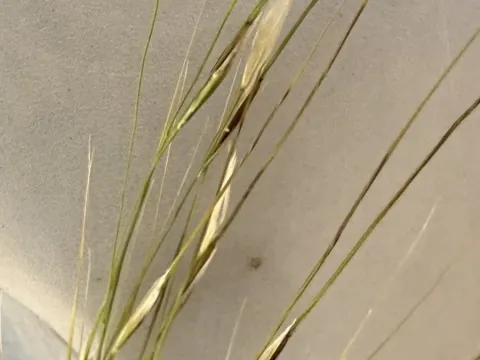
Piptochaetium
Piptochaetium
Piptochaetium is a genus of perennial grasses belonging to the Poaceae family. These plants are widely recognized for their adaptability to diverse environmental conditions, primarily flourishing in temperate and subtropical grasslands where rainfall is seasonal.
What the section contains

Piptochaetium
The sowing process for Piptochaetium typically coincides with the arrival of moisture in the soil, usually in the early spring or autumn. Precise timing is essential to ensure that seeds germinate before extreme temperature changes occur, which could hinder early development.
Seeds should be sown at a shallow depth of approximately 1 to 2 centimeters. This depth promotes optimal soil-to-seed contact, allowing the plant to establish its primary root system quickly, which is crucial for surviving the initial period of growth in varying soil textures.
In agricultural practice, Piptochaetium is often integrated into existing pasture systems. Due to its ability to self-seed effectively, managed grazing can promote the long-term sustainability of the stand, reducing the need for repeated sowing in established grasslands.
Proper field preparation involves clearing debris and ensuring the soil surface is slightly disturbed. Using high-quality, regionally adapted seed ensures that the resulting plants exhibit the desired vigor and resilience against local environmental stressors.
Piptochaetium thrives in open, sunny environments where it receives ample direct sunlight throughout the day. This exposure is vital for maintaining high photosynthetic efficiency, supporting vigorous tillering and the development of a dense grass canopy.
Soil requirements for this grass include good drainage, as it is highly sensitive to waterlogging. It performs best in light, sandy-loam or well-aerated soils that prevent the accumulation of excess moisture around the crown, which could otherwise lead to root decay.
The plant is highly drought-tolerant, an essential trait for surviving in arid and semi-arid climates. During prolonged dry spells, the grass effectively enters a state of dormancy, protecting its metabolic resources until more favorable conditions return.
Regarding soil fertility, Piptochaetium does not require intensive fertilization. Over-application of nitrogen can lead to excessive stem growth, which reduces the structural integrity of the plant and increases the risk of lodging, potentially lowering the quality of the forage.
Temperature range is a significant factor in its distribution; the genus shows great flexibility, allowing it to adapt to significant daily thermal fluctuations. It demonstrates strong resilience even in higher altitudes where nighttime cooling can be severe.
The primary use of Piptochaetium is as a forage source for livestock, including cattle and sheep. Its biomass provides a stable source of nutrients during the vegetative growth phase, making it a reliable component of pasture-based livestock farming.
Yield productivity is closely tied to climatic factors and the intensity of grazing management. By implementing a rotational grazing strategy, producers can maximize the biomass output while ensuring that the grass has time to recover and replenish its root reserves.
When used in hay production, the timing of harvesting is critical. Because the seeds and glumes of some Piptochaetium species can be sharp and abrasive, it is essential to harvest before the plant enters the reproductive stage to prevent potential injury to livestock mouths.
The extensive root system of the plant also plays a role in soil health, improving structure and preventing erosion. This indirect contribution to soil quality makes Piptochaetium a valuable asset for maintaining the overall productivity of natural grasslands.
Nutritional value peaks during early growth stages, offering a good balance of proteins and fibers. Careful monitoring of the grazing calendar ensures that livestock consume the plant when it is at its peak nutritional value, resulting in better health outcomes for the herd.
Fungal diseases, particularly rusts and foliage blights, represent a significant threat to Piptochaetium, especially in areas characterized by high humidity or stagnant air circulation. These infections can rapidly reduce the biomass and lower the nutritional quality of the forage.
Pests, such as various species of grain aphids and grass-feeding insects, can impact the development of young plants. Monitoring populations is necessary to prevent significant infestation, particularly during the critical stages of early stand establishment.
Competition from weeds is a major challenge, especially during the first season of growth. Implementing effective weed control, such as timely mowing or selective mechanical intervention, is necessary to give Piptochaetium the best chance to establish a dominant cover.
Overgrazing poses a systemic threat to the longevity of the pasture. If the grass is not allowed to recover, its root mass diminishes, leading to reduced vigor and making the plot susceptible to encroachment by invasive or less palatable species.
Severe weather events, such as intense rainfall during the seed maturation phase, can cause lodging. This horizontal growth is not only difficult to harvest but also creates microclimatic conditions at the soil surface that are ideal for the development of fungal pathogens.