
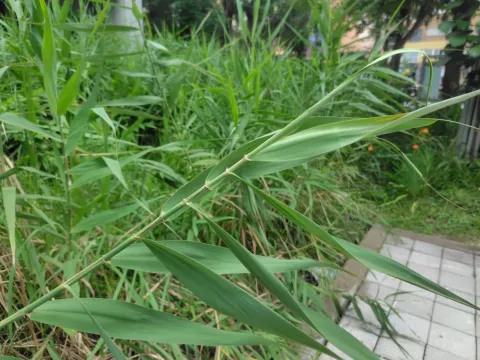
Phragmites karka
Phragmites karka
Planting of Phragmites karka is primarily done through vegetative propagation using rhizome cuttings, as seed reproduction is less predictable in field conditions. The optimal time for planting is early spring once soil temperatures reach 12-15 degrees Celsius.
What the section contains
Phragmites karka
Rhizomes are planted in trenches 10-15 cm deep, filled with nutrient-rich, moist substrate. High planting density is encouraged to ensure quick canopy closure, which effectively suppresses competing weeds during the initial growth stages.
Given its invasive nature, controlling the spread of the rhizome system is essential for commercial plantations. Deep physical barriers or surrounding drainage ditches are often utilized to contain the crop within designated areas.
Adequate soil moisture is critical immediately after planting. Consistent irrigation must be maintained during the first weeks to ensure successful establishment, as young plants are highly sensitive to drought.
Mechanized planting using specialized equipment is highly recommended for large-scale operations. This approach reduces manual labor and ensures uniform spacing, which is crucial for consistent biomass yield across the entire field.
Phragmites karka belongs to the Poaceae family and is an obligate hydrophyte. It thrives in wetland environments, including riverbanks and marshy plains where the water table is at or slightly above the soil surface.
The plant prefers fertile alluvial soils rich in organic matter. While it is known for its ability to withstand saline conditions, moderate fertility and neutral to slightly acidic pH levels provide the best growth results.
Light availability is a primary growth factor. As a sun-loving species, Phragmites karka requires full exposure to sunlight for optimal development. Shaded areas significantly reduce stem diameter and overall biomass production.
The plant demonstrates high adaptability to temperature, with an optimal growth range of 20-30 degrees Celsius. In colder climates, the above-ground biomass senesces during winter, while the rhizomes remain dormant and regenerate in spring.
Soil aeration is also important; while the species loves moisture, stagnant conditions with severe oxygen depletion in the rhizosphere can inhibit growth. Natural water movement helps provide the necessary mineral nutrients.
The biomass yield of Phragmites karka varies depending on environmental conditions and soil quality. In well-managed plantations, producers can expect an annual yield of 20 to 40 dry tonnes per hectare.
High productivity is maintained through robust tillering and fast growth rates. The use of controlled fertilization in the early growing phase can significantly boost biomass output, improving the economic viability of the operation.
Harvesting is typically scheduled for the late season when stems reach full maturity and moisture content naturally decreases. This timing ensures better quality for industrial processing and reduces drying costs.
To prevent long-term yield decline, thinning or re-planting rhizomes every 5-7 years is recommended. This rejuvenation prevents overcrowding and ensures the continued health of the plantation.
Economic feasibility is heavily influenced by the distance between the plantation and processing facilities. Biomass is bulky, making logistics a significant factor in the overall cost of production.
Phragmites karka is generally resilient to pests and diseases, but high humidity levels can lead to fungal infections such as leaf rust. Regular monitoring is necessary to detect outbreaks early.
Stem borers and aphids may cause damage to young shoots, potentially impacting yield. Integrated pest management strategies, focusing on biological controls rather than synthetic pesticides, are preferred to maintain ecological balance.
Competition from aggressive aquatic vegetation can pose a threat during the establishment phase. Consistent weeding and management of surrounding flora are essential until the reed stand becomes sufficiently dense.
Small mammals and waterfowl can cause damage by feeding on rhizomes or tender shoots. Protective fencing is an effective measure for newly established fields to prevent wildlife-related losses.
The use of chemicals must be strictly controlled, as Phragmites karka often grows in sensitive aquatic habitats where pesticide runoff can negatively impact the local ecosystem.
Harvesting is usually carried out using mechanized harvesters adapted for soft and wet soil conditions. The best time for harvest is after the first frosts, when the plant is dry and easy to cut.
Harvested material is typically baled for easy transport and storage. Proper moisture management is vital during storage to prevent the development of mold, which can degrade the biomass quality.
Tracked machinery is preferred for harvesting as it exerts less ground pressure, protecting the underlying soil structure and the rhizome network. This preserves the root system for future growth cycles.
Removing excess harvest residues helps in warming the soil early in the spring, which promotes quicker regrowth. Some debris can be left as mulch, but excessive layers can hinder new sprout emergence.
Strategic logistics planning is essential, especially in regions with distinct winter seasons where frozen ground might offer better access to the fields for heavy machinery operation.