
Pleioblastus
Pleioblastus Nakai
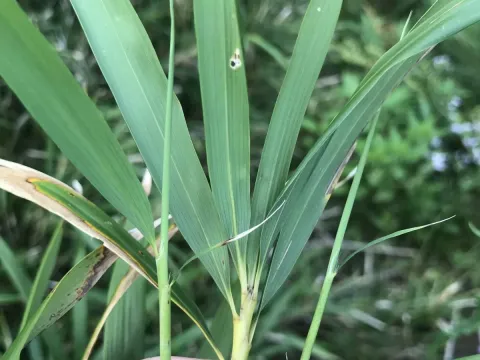
Pleioblastus is a genus of evergreen perennial plants belonging to the Poaceae family. These plants are essentially dwarf or running bamboos native to East Asia, known for their dense growth habit and elegant, lance-shaped leaves that remain green throughout the year.
What the section contains
Pleioblastus
The cultural requirements for Pleioblastus include fertile, well-draining soil with a pH ranging from slightly acidic to neutral. They perform best in locations with partial shade, although some species can tolerate full sun provided that soil moisture is consistently maintained throughout the summer.
Watering is a crucial aspect of their maintenance. These plants require ample irrigation during the growing season and are not drought-tolerant; prolonged dry spells can lead to leaf browning and significant dieback. Organic mulch applied around the base helps retain soil moisture and stabilizes temperature.
Proper fertilization using a balanced NPK fertilizer in early spring supports vigorous shoot production. Since the plants are heavy feeders, applying a layer of well-rotted compost as a top dressing annually provides essential micronutrients and improves soil structure over time.
Propagation is primarily achieved by rhizome division. Because Pleioblastus species are aggressive growers with a running rhizome system, it is recommended to install root barriers during planting to prevent the bamboo from spreading uncontrollably into unwanted areas of the landscape.
Common plant health issues include fungal infections like rust and leaf spot, which are often exacerbated by poor air circulation and high humidity levels. Management involves thinning out dense clumps and applying copper-based fungicides if an outbreak occurs.
Pest problems are frequently associated with sap-sucking insects like spider mites and aphids, especially during hot and dry weather conditions. Regular inspection and the use of insecticidal soaps or systemic treatments help keep populations under control before they cause extensive foliage damage.
Root rot is a major threat in soils with poor drainage. If the root system stays waterlogged for too long, the plant will decline rapidly. Ensuring that the planting site has been properly prepared with gravel or other drainage materials is vital for long-term survival.
In colder regions, winter injury can occur if the root system is not protected by sufficient mulch. While many Pleioblastus species are hardy, severe frost may cause dieback of the stems, necessitating a clean-up pruning in early spring to encourage fresh, healthy growth.
Rodents, such as mice or voles, may occasionally damage the rhizomes or young shoots during the dormant season. Protecting the planting area with physical barriers or implementing integrated pest management strategies is necessary for maintaining healthy stands in environments with high rodent activity.