
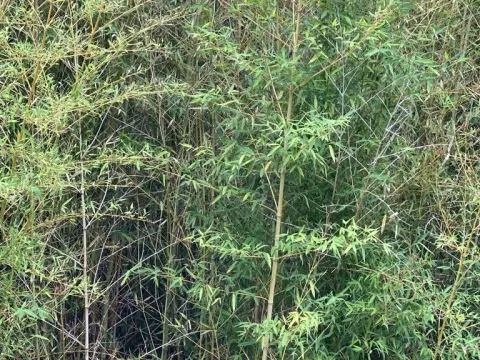
Phyllostachys
Phyllostachys Sieb. et Zucc.
Phyllostachys is a genus of temperate clumping and running bamboos belonging to the Poaceae family. These plants are characterized by their woody, hollow culms and complex rhizome systems that allow them to spread rapidly across suitable environments.
What the section contains


Phyllostachys
The origin of this genus is traced back to East Asia, particularly China and Japan, where it has been cultivated for centuries. Today, it is grown globally in regions that provide the specific moisture and temperature conditions required for its vigorous development.
Successful cultivation depends on rich, deep, and well-drained loamy soils. Phyllostachys requires consistent moisture throughout the growing season and thrives in environments where rainfall is abundant or where irrigation systems are effectively managed to prevent drought stress.
Temperature tolerance varies by species, but generally, these plants prefer warm temperate climates. While they can endure moderate winters, sustained freezing temperatures can damage the foliage and, in extreme cases, the structural integrity of the culms.
Agronomic management involves active monitoring of the rhizome growth to maintain planting boundaries. Regular application of nitrogen-rich fertilizers during the spring growth flush is essential to achieve high biomass production and maintain the plant health.
The economic utilization of Phyllostachys is vast, spanning from timber for the construction and furniture industries to the production of high-quality cellulose for paper manufacturing. Many varieties are also harvested for their edible shoots, which are a dietary staple in many Asian cuisines.
Major pests affecting this crop include scale insects and spider mites, which can proliferate in dry, sheltered conditions. Fungal diseases such as rusts and various leaf spots are typically managed through proper canopy thinning and ensuring adequate airflow within the stand.
Edible shoot harvest is performed during the peak spring growth season when they emerge from the soil. Industrial timber harvesting is conducted on mature stands, typically selecting culms that are at least three to five years old to ensure maximum physical density and quality.