
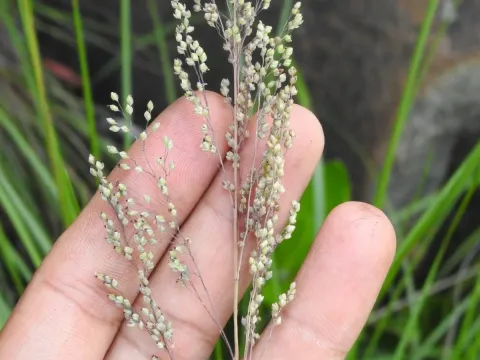
Natal grass
Panicum natalense
Natal grass is a perennial species, and planning its establishment requires careful selection of the sowing window to ensure the best chances for successful rooting.
What the section contains
Natal grass
The ideal time for planting is during the warm season, as consistent soil temperatures are critical for initial germination and seedling development.
Seed depth should be managed based on the soil texture, with shallower sowing generally preferred in heavier soils to avoid excessive moisture trapping.
Standard row planting is the most effective method, as it allows for proper space utilization and simplifies management practices throughout the growth cycle.
Adequate soil moisture must be maintained immediately following the sowing process to facilitate uniform seedling emergence across the entire field.
Panicum natalense thrives in a wide range of environments, exhibiting a natural robustness that allows it to adapt to diverse climatic conditions.
The species prefers well-drained soils, as consistent aeration around the root zone is essential for preventing root rot and supporting healthy growth.
Full sun exposure is a primary requirement, as this grass species is sensitive to shading, which significantly inhibits its biomass production rate.
Warm temperatures are preferred throughout the growing season, with the plant showing high efficiency in metabolic processes during peak sunlight hours.
Natal grass exhibits moderate drought tolerance, which is a valuable trait for producers operating in regions with erratic rainfall patterns and seasonal water deficits.
Yield potential in Panicum natalense is heavily dependent on the management of soil nutrients and the precision of the harvest schedule.
Applying optimal fertilizer programs, particularly nitrogen-based ones, can substantially boost the dry matter output of the pastures.
The stability of the yield over consecutive years depends on the density of the stand and the ability of the plants to recover after grazing or cutting.
By optimizing the cutting height, growers can ensure that the plant retains enough photosynthetic tissue to quickly generate new growth.
Monitoring the plant density and ensuring the soil remains fertile are key strategies for maintaining consistent production levels over the long term.
Like many members of the Poaceae family, Natal grass is susceptible to common fungal pathogens, particularly in humid or stagnant air conditions.
Rust and various leaf spots are the most frequent issues, often occurring when the canopy becomes too dense, reducing airflow through the stems.
Insects such as aphids and various thrips can occasionally cause localized damage, particularly during the early stages of plant development.
Effective management includes maintaining a balanced stand density and monitoring field margins for potential sources of pest infestations.
Integrated pest management strategies should be employed to control outbreaks while minimizing the use of synthetic chemical inputs on the forage.
Harvest timing is critical for maximizing quality, as the nutritional value of Natal grass shifts rapidly as the plant matures into the reproductive stage.
Cutting for high-quality hay should ideally take place just as the plant begins to transition into the flowering phase to retain maximum protein levels.
For fresh forage applications, earlier harvesting is recommended to ensure that the material remains succulent and palatable for grazing livestock.
Modern harvesting machinery, such as sickle-bar mowers, provides the cleanest cut, which is vital for the health of the remaining plant crown.
After the harvest, light harrowing or fertilization may be beneficial to stimulate vigorous regrowth and sustain the longevity of the pasture stand.