
Narrow-leaved bluegrass
Poa angustifolia
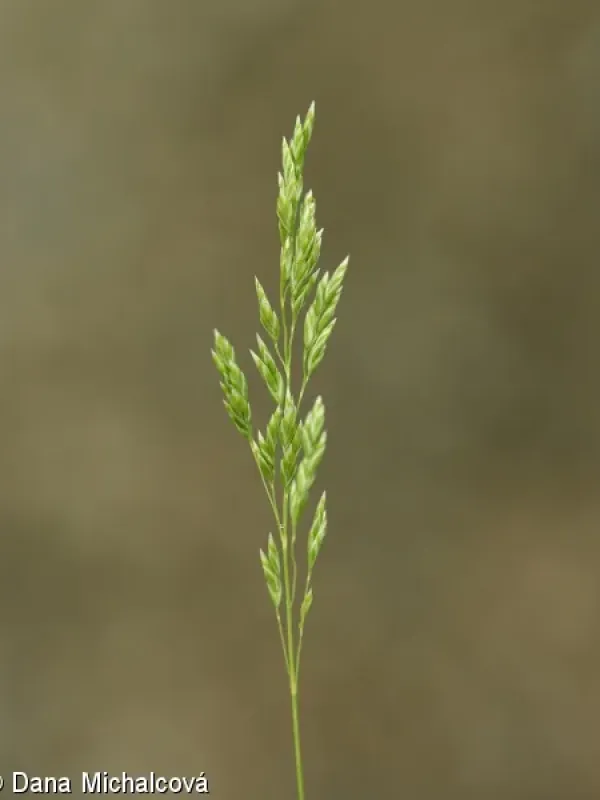
Description
Sowing dates
Narrow-leaved bluegrass (Poa angustifolia) is a perennial grass species belonging to the Poaceae family. It is highly valued in agriculture for its ability to form dense and stable turf.
Sowing is typically performed in early spring as soon as the soil is workable, which allows the seeds to utilize soil moisture effectively for germination.
Late autumn sowing is also a viable practice in many regions, helping the seeds to undergo natural stratification, leading to earlier and more uniform spring growth.
The seeding rate is generally set between 8 and 15 kg per hectare, depending on whether the primary goal is establishing a pasture, a hay meadow, or a conservation area.
To ensure successful establishment, shallow seeding depth (1-2 cm) and proper soil firming after sowing are critical to maintaining the necessary seed-to-soil contact.
Growing requirements
This species is exceptionally cold-hardy, making it well-suited for temperate and continental climates where it can endure harsh, long winters with ease.
Poa angustifolia prefers well-drained loam or sandy loam soils but demonstrates remarkable drought tolerance due to its deep and fibrous root system.
While it thrives in neutral to slightly acidic soil conditions, it is sensitive to waterlogged environments and should not be planted in areas with poor drainage.
The plant performs best in full sun, showing a strong preference for open meadows and fields, though it can tolerate light shade for short periods.
Nutrient requirements are moderate; however, nitrogen fertilization during the early growing season significantly boosts biomass production and promotes faster recovery after grazing.
Yield
The biomass yield of Narrow-leaved bluegrass is highly reliable, providing a consistent source of forage throughout the growing season in well-managed systems.
When used in pasture systems, the grass shows great resilience to trampling and grazing, quickly regrowing and maintaining a high nutritional profile for livestock.
In hay production, it is often included in mixtures with legumes like alfalfa or clover, which maximizes total yield and improves the quality of the harvested hay.
Nutritional value peaks during the late tillering to early heading stages, making precise timing of the first harvest essential for high-quality feed production.
With adequate moisture, the species can produce multiple cuts per season, supporting intensive agricultural cycles in favorable climatic zones.
Main diseases and pests
The species can be susceptible to common fungal diseases like rust and powdery mildew, especially during seasons with high humidity and stagnant air circulation.
Helminthosporium leaf spot is another concern that can affect the foliage, potentially reducing the photosynthetic capacity and overall forage quality of the stand.
Insect pests such as grass aphids and larvae of various soil-dwelling insects can cause damage if populations are not monitored during the active growth phase.
Integrated pest management strategies, including crop rotation and the use of resistant varieties, are recommended to maintain plant health without excessive chemical reliance.
- Regular inspection of fields for early signs of fungal infection.
- Proper pasture rotation to prevent overgrazing and stress.
- Maintenance of optimal soil pH levels to strengthen plant immunity.
Harvesting
Hay harvest should ideally occur before the seeds mature, as this ensures that the energy reserves are concentrated in the vegetative parts of the plant.
For seed production, harvesting is timed for when the panicles begin to yellow, ensuring the seeds are fully developed but not yet shattering from the stalk.
Proper drying of the mown material is vital to prevent mold growth and preserve nutrients, especially in humid harvest conditions.
In rotational grazing, the timing of livestock movement should be calculated to allow for a recovery period that enables the grass to replenish its root reserves.
Efficient harvesting techniques help preserve the integrity of the turf, ensuring the field remains productive and weed-free for several years of operation.