
Narduroides
Narduroides
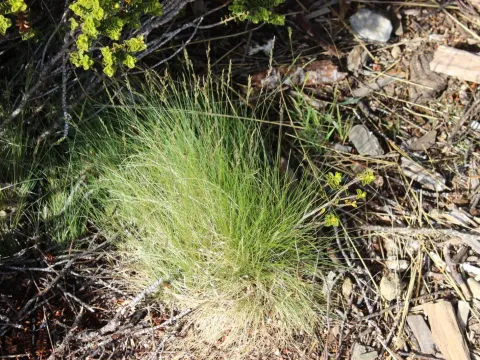
Narduroides is a genus of annual grasses belonging to the Poaceae family. These plants are characterized by their small stature and their ability to thrive in niches where water availability is periodic and transient.
What the section contains

Narduroides
The native range of this genus is centered primarily in the Mediterranean Basin and neighboring regions of Western Asia. It is typically found in habitats such as dry meadows, rocky outcrops, and open grasslands where competition from larger species is limited.
Environmental requirements for Narduroides are distinctively tied to its growth cycle. It demands high levels of solar radiation during its active spring growth phase and performs best in climates characterized by mild, wet winters followed by warm, dry springs.
Soil management for this culture necessitates excellent drainage. It does not tolerate high-moisture retention or heavy, compacted soil profiles. Sandy or calcareous soils that allow for rapid gas exchange at the root level are considered ideal for optimal establishment.
In terms of agricultural utility, Narduroides is rarely sown as a monoculture. Instead, it is valued as a component of natural or semi-natural pasture ecosystems, contributing to early-season forage diversity when more productive grasses have not yet reached maturity.
Pathogens affecting this plant are mostly typical of the Poaceae family. Fungal infections, such as rusts and powdery mildew, may emerge if spring humidity levels are unusually high, impacting the biomass production and seed set of the stand.
Pest pressures include common grass-feeding insects such as aphids and various species of bugs. These pests can weaken the plant stand during the initial vegetative stage, reducing the overall vigor and survival rate of the population within the pasture.