
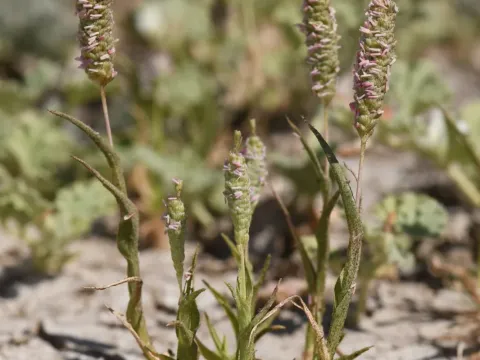
Neostapfia
Neostapfia
Neostapfia, specifically the species Neostapfia colusana, is a rare grass that does not serve as a commercial agricultural crop.
What the section contains

Neostapfia
The germination of its seeds is strictly synchronized with the seasonal filling of vernal pools, which are specific temporary wetlands.
Seed development requires the moist conditions provided by the early spring rains common in the California landscape.
Natural sowing occurs when the water levels rise, allowing the seeds to hydrate and initiate their biological growth cycle.
Any artificial attempt to cultivate this species requires complex simulation of its native seasonal flooding patterns.
Neostapfia belongs to the Poaceae family and is highly specialized for living in extreme environments with cycles of flood and drought.
The plant thrives in deep clay soils that demonstrate high water retention capacity, which is essential for its survival during the rainy season.
The plant's lifecycle is perfectly timed to conclude before the total drying out of the vernal pools during the intense summer heat.
Sunlight requirements are absolute, as the plant cannot survive in shaded conditions due to its low-growing structural habit.
Maintaining the integrity of the soil structure and hydraulic regime is the most critical requirement for the survival of any population.
Habitat destruction due to large-scale agriculture and urban development remains the primary threat to this genus's existence.
Invasive non-native species often outcompete Neostapfia, as they are more aggressive in capturing limited moisture and soil nutrients.
Global climate changes, specifically altered rainfall patterns, negatively impact the duration and frequency of seasonal pools.
Pollution and chemical runoff into vernal pool areas can disrupt the delicate chemical balance needed for successful seed germination.
Due to its status as a rare endemic species, conservation efforts focus on protecting existing sites from any form of human interference.