
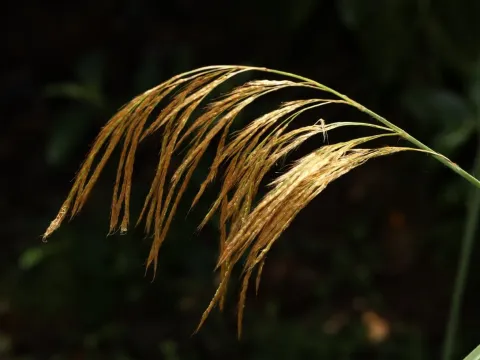
Nepal silver grass
Miscanthus nepalensis
Nepal silver grass (Miscanthus nepalensis) is a perennial herbaceous plant belonging to the Poaceae family. In temperate climates, seeding is performed in the spring once soil temperatures reach 12–15 degrees Celsius.
What the section contains
Nepal silver grass
The optimal time for rhizome division and transplanting is early spring before active sap flow or autumn, at least a month before the first hard frost.
Seeds of this culture often exhibit low germination rates; therefore, vegetative propagation via root division is the preferred method to ensure rapid establishment and high survival rates.
When starting from seeds, it is recommended to use seed trays in March, followed by transplanting into open ground once the danger of late frosts has completely passed.
Maintaining adequate moisture in the substrate during the first few weeks is critical for seedling success, as young plants are particularly sensitive to the drying of the topsoil layer.
Originating from the Himalayan region, this plant thrives in sunny, open locations with optimal access to direct sunlight throughout the growing season.
Nepal silver grass requires fertile, well-draining soil and performs best in loamy or sandy loam conditions with a neutral to slightly acidic pH level.
While the plant is moisture-loving, it is extremely sensitive to stagnant water in the root zone; therefore, proper drainage systems are essential in heavy soil types.
The species is relatively winter-hardy, yet in regions with harsh winters and lack of snow cover, young plantations require mulching around the base to protect the root crown.
It demonstrates high plasticity regarding soil composition, though the application of balanced mineral fertilizers during active growth phases significantly enhances biomass yield.
The yield of Nepal silver grass is directly dependent on the plantation's age and agronomic care, with commercial stability typically reached by the third or fourth year.
The culture produces a substantial amount of above-ground biomass, which can be harvested and processed into pellets or other biofuel products in appropriate climatic zones.
In ornamental landscaping, yield is measured by the quality and quantity of feathery inflorescences, which maintain aesthetic appeal throughout the winter if properly managed.
The plant's high biological productivity makes it a promising source of cellulose and organic matter for biodegradable materials in experimental agricultural sectors.
To sustain consistent productivity, annual sanitation by removing old stalks is necessary, as this stimulates the emergence of fresh, vigorous shoots in the spring.
The primary diseases affecting this crop are fungal infections, such as rust and leaf spots, typically triggered by improper moisture regulation and poor airflow within the plant.
Pests rarely cause critical damage to plantations, but in periods of extreme drought, infestations by aphids or spider mites may occur, requiring timely monitoring.
The main threat to young seedlings is competition from weeds, which can suppress the plant's development during its slow-growing first year, making regular weeding essential.
High planting density combined with excessive humidity increases the risk of root rot, which can lead to localized plant loss in areas with poor water infiltration.
Effective prevention involves strict spatial isolation, the use of certified healthy planting material, and consistent weeding throughout the first two growing seasons.
For biomass production, harvest is carried out in late autumn or early spring, when the moisture content of the stems has reached its lowest natural level.
Harvesting is performed using specialized machinery adapted for high-stalk grass crops, which typically includes immediate chopping of the biomass into wood-like chips.
In decorative settings, inflorescences can be harvested as needed, although to maintain the plant's life cycle, the complete removal of the above-ground part should ideally wait until winter's end.
Careful harvesting techniques are required to avoid damaging the rhizome, which serves as the plant's perennial anchor and ensures regeneration for the following season.
Properly managed harvest cycles contribute to the longevity of the plantation, allowing for efficient field exploitation for 10 to 15 years without the need for replanting.