
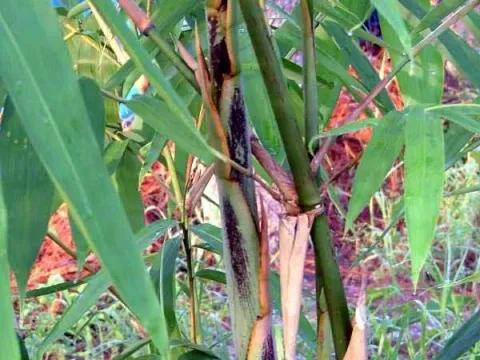
Neohouzeaua
Neohouzeaua
Neohouzeaua is a genus of tropical woody bamboo belonging to the Poaceae family. This perennial plant is known for its rapid growth rate and the formation of dense clumps through a robust underground rhizome system.
What the section contains
Neohouzeaua
Native to Southeast Asia, specifically countries like Thailand, Vietnam, and Myanmar, Neohouzeaua thrives in tropical climates. It is highly dependent on sufficient rainfall and high atmospheric humidity to maintain its vigorous growth patterns during the wet season.
Regarding soil requirements, this bamboo prefers deep, well-drained loams or alluvial soils. It favors a neutral to slightly acidic pH range. Despite its affinity for moisture, the plant does not tolerate waterlogging, as stagnant water can lead to root system decay.
The climate for Neohouzeaua cultivation is strictly limited to tropical and subtropical zones. It is extremely sensitive to frost and prolonged periods of low temperatures, which can severely damage or kill the culms, limiting its geographical distribution as an agricultural crop.
The economic value of Neohouzeaua is significant. Its stems are utilized in construction, furniture manufacturing, and the production of handicrafts. Due to the strength-to-weight ratio of the bamboo, it remains a preferred material for traditional agricultural tools and building materials in its native regions.
The primary threats to Neohouzeaua plantations include fungal diseases favored by high humidity. Leaf rust and various leaf spot pathogens can significantly reduce the photosynthetic efficiency of the bamboo, leading to stunted growth.
Insects, particularly bamboo borers, pose a critical challenge. These pests bore into the culms, compromising the structural integrity of the bamboo. This damage is often irreversible and renders the harvested stalks unsuitable for high-quality industrial or construction purposes.
Mites can also affect plantations, especially during drier spells. They feed on the sap of young, tender leaves, causing foliage discoloration and premature leaf fall, which weakens the overall vigor of the bamboo clump over time.
Weed management is essential during the establishment phase of a new plantation. Young Neohouzeaua plants struggle to compete with aggressive grasses, necessitating regular weeding and mulching to ensure the bamboo establishes a strong root system without excessive competition.
Integrated pest management is the recommended approach to protecting these plantations. By maintaining appropriate spacing between clumps, growers improve air circulation, which naturally limits the spread of fungal spores and helps in managing pest populations without excessive chemical use.
Harvesting Neohouzeaua is typically performed once the culms reach maturity, which usually occurs between 3 to 5 years after growth begins. Selective harvesting is employed to ensure that younger stalks remain to provide continuous structural support and ongoing growth for the clump.
The harvesting process involves manual cutting with specialized tools to ensure clean incisions near the base. Avoiding damage to the rhizome nodes is crucial, as these areas are responsible for the emergence of new culms in the following season.
Post-harvest processing includes the removal of lateral branches and foliage. The culms are then sorted and dried, either naturally in shaded, ventilated areas or in industrial kilns to reduce moisture content and prevent splitting or warping during storage.
Proper storage is vital to maintain the quality of the harvested bamboo. Keeping the culms elevated off the ground in a dry, well-ventilated structure protects them from rot and fungal infections, ensuring the material remains durable for long-term industrial applications.
Sustainable harvesting practices allow Neohouzeaua plantations to remain productive for decades. With proper management and careful cutting cycles, these bamboo forests can provide a consistent and renewable supply of raw materials for various local and export markets.