
Neololeba
Neololeba
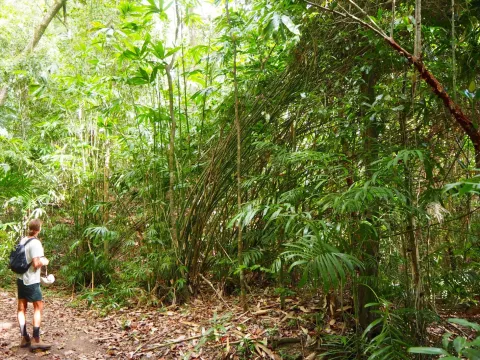
Neololeba is a genus of perennial woody plants belonging to the Poaceae family, specifically the bamboo subfamily. This tropical crop is native to the regions of Indonesia, including the Moluccas and New Guinea, where it thrives in lush, humid forest environments.
What the section contains

Neololeba
The plant requires specific environmental conditions, characterized by high temperatures and significant annual precipitation. It grows most effectively in fertile, well-drained soils that retain moisture consistently, which is essential for maintaining its rapid growth rate and structural integrity.
Botanically, Neololeba is characterized by its woody culms that exhibit remarkable durability and flexibility. Its root system is highly adapted for vegetative propagation, enabling the plant to colonize suitable habitats efficiently and recover after harvesting the stems.
Climatic requirements are strict: the plant cannot withstand frost or significant cooling, limiting its cultivation to tropical zones. High atmospheric humidity and the absence of prolonged dry spells are critical for the physiological health of the plant throughout the growing season.
In terms of economic utility, Neololeba is highly valued by local communities as a sustainable resource. Its stems are utilized in construction, the fabrication of household implements, and traditional crafts, representing a renewable material that supports ecological sustainability in rural areas.
Fungal infections pose a primary threat to Neololeba populations, especially in environments where humidity levels remain excessively high. These pathogens can compromise the culms, leading to structural weakness and reducing the quality of the harvested material.
Various species of wood-boring insects and other tropical pests often attack the young shoots and rhizomes of the plant. Such infestations can weaken individual plants and facilitate the entry of secondary pathogens, potentially impacting entire patches of bamboo.
Unsustainable harvesting practices remain a significant threat to the long-term viability of wild stands. Indiscriminate cutting, which fails to account for the natural regeneration cycle of the bamboo, can lead to localized depletion and degradation of the soil structure.
Climate instability, particularly extended periods of drought, creates physiological stress for the plants, making them more susceptible to pest outbreaks. When moisture levels drop below the required threshold, the bamboo loses its characteristic resilience and growth vigor.
Effective management requires the implementation of integrated pest and disease control strategies, alongside selective harvesting methods. Maintaining a diverse age structure within the stands is crucial for preserving the health of the ecosystem and ensuring a reliable supply of resources.