
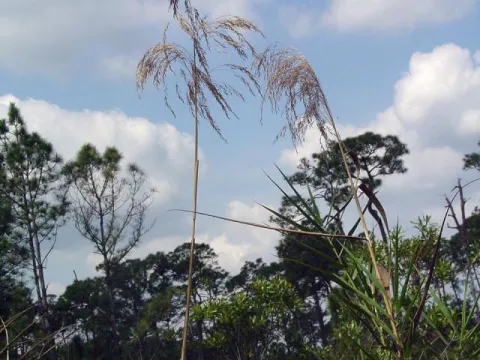
Neyraudia
Neyraudia
The sowing of Neyraudia is typically performed in the spring when soil temperatures reach 15–18 degrees Celsius. Seeds are small and require shallow sowing depths, ideally no more than 1–2 centimeters, to ensure successful germination.
What the section contains


Neyraudia
While the plant often spreads through natural seeding, professional cultivation requires well-prepared, weed-free plots to allow the young seedlings to establish without competition.
Using high-quality, high-vigor seeds is critical for achieving a uniform stand in the first year, which is essential for long-term productivity.
Post-sowing soil compaction is often recommended to improve the contact between the tiny seeds and the soil moisture, which significantly accelerates the initial growth phase.
During the first year, Neyraudia focuses its energy on developing an extensive root system, resulting in relatively slow above-ground growth that requires careful maintenance.
Neyraudia belongs to the Poaceae family and is known for its remarkable adaptability to various environments. It thrives in well-drained soils and exhibits significant tolerance to drought conditions.
The crop performs exceptionally well on poor, sandy, or rocky soils, making it a valuable candidate for the reclamation of degraded lands and soil stabilization projects.
Optimal growth occurs in soils with slightly acidic to neutral pH levels, which ensure the balanced availability of essential nutrients for the plant.
As a sun-loving species, Neyraudia requires open, well-lit locations; shade is generally detrimental, leading to sparser plant density and reduced biomass yield.
Due to its tropical and subtropical origins, the plant is sensitive to severe frost, which restricts its large-scale cultivation to warmer climate zones.
The primary agricultural use of Neyraudia centers on biomass production, where it serves as a sustainable source of fiber for the paper and pulp industry.
Yield levels depend heavily on management practices and moisture availability; in favorable conditions, the plant is capable of providing multiple harvests per season.
Locally, the plant is often harvested for its durable stems, which are traditionally used for weaving mats, handicrafts, and rustic fencing materials.
While it can be used as fodder, its nutritional value is limited; it is most palatable in its early growth stages before the stems become overly lignified and tough.
Neyraudia is also highly valued for its role in phytoremediation, effectively anchoring shifting sands and preventing erosion on steep or unstable landscapes.
Common pests affecting Neyraudia include various grass-dwelling flies that target emerging shoots, as well as sap-sucking insects like aphids and thrips that can stress the plants.
Fungal diseases, such as rust and various leaf spot pathogens, represent a primary threat, particularly during periods of high humidity and in overly dense stands.
Preventative management relies on maintaining optimal spacing between plants to ensure good airflow, which helps keep foliage dry and reduces the risk of infection.
Sanitation practices, including the removal of crop residues after harvest, are essential to break the life cycles of pests and overwintering fungi.
Fungicide applications are generally reserved for severe outbreaks where the risk of significant yield loss justifies the cost of chemical intervention.
The timing of the harvest is determined by the intended use: forage should be harvested before the heading phase to ensure the highest protein and nutrient content.
When grown for industrial fiber, the crop is harvested at full maturity when the biomass contains the maximum amount of structural fibers required for processing.
Mechanical harvesting is typically performed using forage harvesters or mowers equipped with conditioning attachments to facilitate efficient cutting and processing.
Post-harvest, the biomass must be dried properly to reach a moisture level suitable for safe storage and to prevent microbial degradation during transport.
The underground root system remains largely undisturbed during harvest, continuing to protect the soil structure and contributing organic matter back into the ecosystem.