
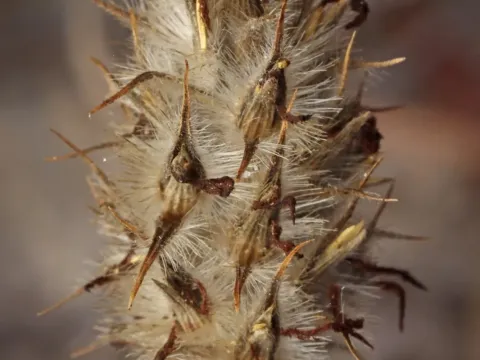
Neurachne
Neurachne
Neurachne is a genus of perennial grasses belonging to the family Poaceae. Native primarily to the arid regions of Australia, these plants have evolved specific physiological adaptations to survive in harsh, water-limited environments.
What the section contains
Neurachne
The key botanical feature of this genus is its C4 photosynthetic pathway. This mechanism allows the grass to maintain high rates of carbon fixation during intense heat and low rainfall, offering a significant advantage over C3 forage species in dry climates.
These plants thrive in well-drained, light-textured soils. They are known for their high salt tolerance and ability to establish themselves in nutrient-poor substrates where other forage crops would typically fail to develop.
Climate requirements for Neurachne involve long periods of intense sunlight. The crop is strictly intolerant of waterlogging; therefore, selecting sites with excellent soil drainage is a mandatory prerequisite for successful stand establishment.
From an agricultural standpoint, Neurachne is being investigated as a promising candidate for restoring degraded rangelands and improving pasture productivity in arid zones, thanks to its deep and resilient root system.
The primary threats to Neurachne populations are soil-borne fungal diseases triggered by poor drainage or excessive humidity. Rotting of the crown and root system is the most frequent cause of plant mortality in poorly managed fields.
Pest pressure is mainly represented by grasshoppers and lepidopteran larvae. These insects can cause significant damage to the leaf biomass if infestation levels are not managed promptly through regular field scouting.
Overgrazing poses a serious risk to the longevity of Neurachne stands. Frequent removal of biomass before the plant has accumulated enough energy reserves in its roots leads to a decline in vigor and eventual loss of stand density.
While the genus is generally hardy, rust diseases can occasionally affect the foliage during periods of unseasonable high humidity. Maintaining proper spacing between plants helps to reduce the microclimate humidity and disease transmission.
Successful management involves a balanced approach to soil fertility. Avoiding excessive nitrogen application is recommended, as it encourages excessive vegetative growth that may compromise the plant's long-term drought resistance and structural integrity.