
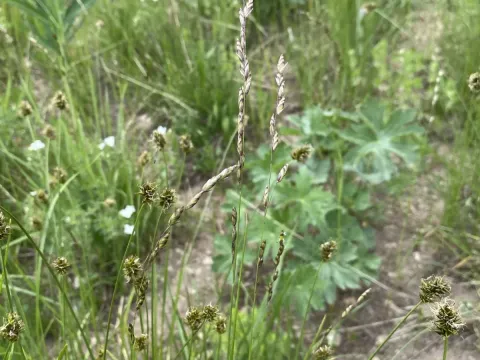
Melica spectabilis
Melica spectabilis
Melica spectabilis, commonly known as purple onion grass, is a perennial grass species belonging to the Poaceae family. It is native to western North America and is valued for its unique drooping spikelets.
What the section contains
Melica spectabilis
Sowing should take place in late autumn or early spring. If planting in spring, seeds require a cold stratification period of 30 days at temperatures between 2 and 5 degrees Celsius to break dormancy.
The seeds should be sown in a well-draining soil mix at a shallow depth of approximately 0.5 centimeters. Consistent moisture is required until germination, which usually occurs within 3 to 4 weeks.
Vegetative propagation via division of clumps is also possible and is most successful during the early spring before active growth begins. This method ensures faster establishment compared to seed sowing.
Spacing between plants should be maintained at 30 to 45 centimeters to allow for optimal air circulation and development of the root system, which is crucial for long-term health.
This grass thrives in full sun but tolerates partial shade, particularly in hotter climates. It is highly adaptable to various soil types, including rocky and slightly alkaline soils.
Excellent drainage is the most critical requirement for Melica spectabilis. It will not tolerate waterlogged conditions, which can lead to root system decay and overall decline.
Fertilization should be kept to a minimum. Over-application of nitrogen promotes excessive vegetative growth, which may cause the stems to lodge and lose their aesthetic form.
The species is remarkably cold-hardy, surviving freezing winter temperatures without the need for special protection. It is a reliable performer in diverse temperate regions.
Drought tolerance is a key characteristic once the plant is established. Supplemental irrigation is only necessary during extended dry spells to prevent stress and maintain vigor.
Melica spectabilis is generally robust and resistant to most common pests and diseases. However, high humidity can occasionally predispose the plant to fungal leaf spots.
Aphids may occasionally be observed on the developing flower stalks. These can be managed with biological controls or simple manual removal if the infestation remains localized.
Good cultural practices, such as ensuring proper spacing and removing dead foliage in the spring, are the best methods to prevent disease pressure in the planting bed.
Root rot is the most common threat when planting in heavy clay soils. Ensuring proper soil preparation and drainage before planting is essential for long-term success.
Competitive weeds must be managed during the first growing season. Once the clump is established, it is generally effective at suppressing most weeds through its dense root mat.
In terms of usage, Melica spectabilis is primarily grown for its ornamental value in gardens and as a prized material for dried flower arrangements due to its distinct spikelets.
Harvesting for dried arrangements should occur at the peak of bloom, just as the flowers are fully opened but before the seeds have matured enough to drop off.
Drying should be performed in a cool, shaded area with good airflow. Hanging the harvested stems upside down helps maintain the graceful arch of the inflorescences.
For ornamental purposes in the landscape, the dead foliage should be cut back in late winter or early spring before the new growth appears to refresh the appearance of the clump.
While not a primary forage crop, its inclusion in wildflower meadows or restored prairie landscapes is beneficial for increasing biodiversity and providing habitat for local pollinators.