
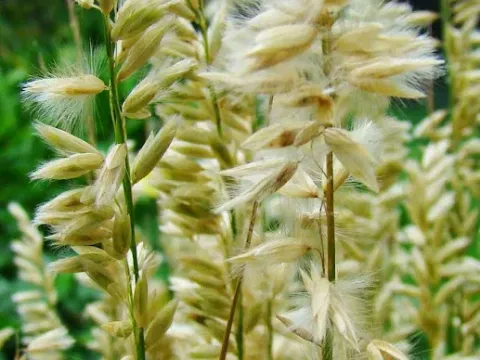
Melica decumbens
Melica decumbens
Melica decumbens is a perennial herbaceous plant belonging to the grass family Poaceae. It is known for its ability to thrive in various environmental conditions and often forms an essential part of natural grassland vegetation.
What the section contains
Melica decumbens
The plant demonstrates a strong preference for well-drained, fertile soil types but is equally capable of adapting to rocky or poor substrates. Its resilient root system allows it to withstand periods of limited water availability, making it a robust component of the landscape.
Regarding light requirements, it prefers full sun exposure. While it can survive partial shade, its growth rate and biomass production are optimized under direct light conditions, which is a key factor for its use in managed pastures.
The climate requirements for this grass include tolerance to significant temperature fluctuations. It remains active throughout the growing season and displays good cold hardiness during the winter months, ensuring survival in diverse agricultural zones.
Agricultural management of this crop focuses on sustainable practices. Because of its perennial nature, it requires minimal soil disturbance once established, making it suitable for conservation-oriented farming and land restoration projects.
Common plant diseases affecting Melica decumbens include various rust fungi that typically impact the foliage. These pathogens thrive under high humidity and can significantly decrease the nutritive value of the hay produced.
Pest populations such as aphids and various species of leafhoppers can cause localized damage to the crop. These insects feed on plant sap, leading to stunted growth and reduced overall yield potential during the peak growing phase.
Invasive larvae, such as those of the wireworm, pose a threat to the root system, especially in recently reclaimed grasslands. Monitoring these soil-borne pests is essential for maintaining the longevity of the perennial stand.
Integrated pest management strategies are recommended to keep damage below economic thresholds. This includes balanced fertilization programs and proper timing of grazing or harvesting to discourage excessive insect build-up.
Providing the crop with appropriate care and avoiding monocultural stress helps in maintaining natural resistance. Healthy plants under stable soil moisture levels are less susceptible to severe infestations of insects and pathogens.