
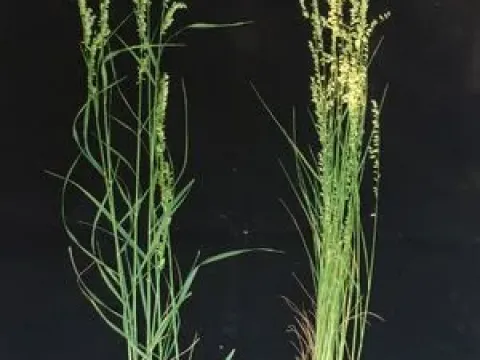
Melica scabrosa
Melica scabrosa
Melica scabrosa is a perennial grass species that requires specific sowing techniques to ensure successful establishment. Planting is best performed in early spring when soil moisture is adequate, and temperatures have consistently risen above 8–10 degrees Celsius.
What the section contains
Melica scabrosa
The seeds should be sown at a shallow depth, approximately 1.5 to 2 centimeters, to allow the delicate seedlings to emerge without difficulty. Proper soil consolidation after sowing, using a light roller, is crucial to maintain good seed-to-soil contact and improve germination rates.
In agricultural settings, it is often beneficial to sow Melica scabrosa in mixtures with compatible legumes. This practice enhances the nutritional profile of the resulting forage and helps sustain soil fertility over the long term through natural nitrogen input.
During the first year of growth, the crop focuses on establishing a robust root system. Consequently, farmers should minimize grazing or heavy harvesting during this period to ensure the plants become strong enough to withstand future environmental stressors.
Row spacing typically ranges between 15 and 20 centimeters, depending on whether the primary goal is seed production or high-yield forage. Consistent monitoring of weed competition during the early growth phase is essential for optimal crop survival.
This species thrives in temperate climates with moderate rainfall and performs best on well-drained, fertile loamy or sandy loam soils. It shows sensitivity to waterlogged conditions, which can lead to root system degradation and reduced biomass production.
Melica scabrosa demonstrates excellent cold tolerance, making it a reliable option for regions with harsh winter conditions. However, it responds positively to favorable spring temperatures, which help trigger rapid vegetative growth after dormancy.
Optimal nutrient management is key; the crop responds significantly to nitrogen applications, which should be split throughout the growing season to maximize leaf development. Potassium and phosphorus are best applied in the autumn to support root health and winter hardiness.
The plant is considered moderately drought-tolerant, but prolonged periods of heat and moisture deficit can restrict leaf expansion. Therefore, selecting fields with good water retention properties is a strategic advantage in areas with unpredictable rainfall.
Light availability is paramount for Melica scabrosa as it is a sun-loving plant. Excessive shading from nearby trees or dense weed populations will suppress tillering and significantly diminish the total dry matter yield of the stand.
The yield potential of Melica scabrosa is influenced heavily by the management regime and soil fertility. Under optimal conditions, the crop can provide two productive harvests per year, yielding high-quality hay for ruminant livestock.
Expectations for dry matter yield generally range between 3 to 5 tons per hectare annually, depending on local environmental factors and fertilizer inputs. The high leaf-to-stem ratio contributes to a feed that is both palatable and nutrient-dense.
Seed production requires specific management, such as excluding grazing during the reproductive phase. Yields of 300–500 kilograms per hectare are common when the crop is managed specifically for seed harvesting under favorable pollination conditions.
The longevity of a healthy stand is typically between 5 to 7 years. After this period, productivity usually declines as the root systems age, necessitating crop rotation or renovation of the pasture to maintain economic efficiency.
Intensive grazing management can further optimize yields by preventing the plants from becoming too mature and fibrous. Maintaining a residual stubble height of 6–8 centimeters promotes faster regrowth cycles and maintains long-term stand vigor.
The most common disease threats include rust and powdery mildew, particularly in dense stands with poor airflow. Improving pasture hygiene and avoiding excessive nitrogen levels can help reduce the incidence of these fungal infections.
Pests such as cereal flies can impact seedling development and reduce the stand density in early years. Integrated pest management, focusing on early detection and using biological control agents where possible, is the preferred strategy for forage production.
Root rot diseases are more prevalent in compacted or poorly drained soils. Addressing soil structure through mechanical aeration or subsoiling is necessary if water stagnation becomes a recurring issue in the field.
Aphids may target the seed heads during the flowering stage, which can potentially damage seed development. Regular scouting of the fields during the reproductive phase allows for timely intervention, protecting the quality of the harvested seed.
Weed management is the primary challenge during the establishment year. The use of selective herbicides or controlled mowing can keep invasive species in check, allowing the Melica scabrosa to dominate the sward effectively.
Harvesting for forage should occur during the early heading stage, which captures the peak nutritional value before the stems become overly lignified. Cutting at the correct time ensures the highest protein content and digestibility for livestock.
For high-quality hay, the cut material should be allowed to wilt in the field for several days with frequent turning to ensure uniform drying. Baling should take place when moisture levels reach the safe storage threshold, usually below 15 percent.
Seed harvesting requires a combine harvester set to specific parameters to prevent crushing the fragile seeds. It is crucial to monitor the maturity of the grain closely, as seeds are prone to shattering if harvesting is delayed.
Post-harvest care involves immediate cleaning and drying of seeds to prevent fungal growth and loss of viability during storage. Storing seeds in cool, dry conditions with adequate ventilation is essential to maintain high germination rates.
Once the final harvest is complete, removing residues and applying a light phosphorus-based fertilizer can support the plant's metabolic activity before winter. This maintenance helps ensure a strong start for the following season's growth cycle.