
Mertens' bentgrass
Agrostis mertensii
Description
Growing requirements
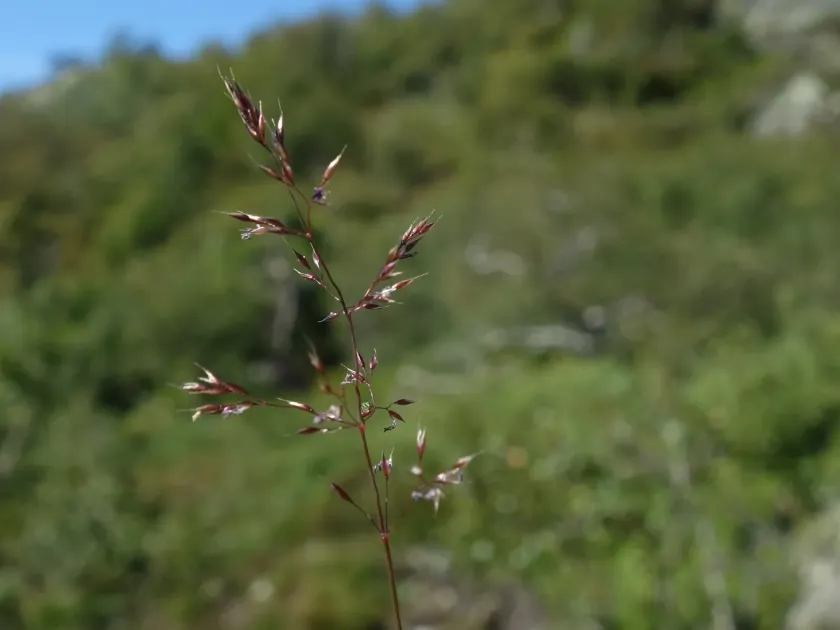
Mertens' bentgrass (Agrostis mertensii) is a perennial grass species belonging to the Poaceae family. It is recognized for its significant ecological role and its utility as a robust forage crop in high-latitude and alpine agricultural systems.
The origin of the species is linked to the cold regions of the Northern Hemisphere, including the Arctic, Alaska, and northern Eurasia. Its presence in these environments demonstrates a high level of resilience to extreme seasonal temperature fluctuations.
Regarding soil requirements, Agrostis mertensii thrives in moist, well-drained soils, often colonizing sites with acidic or peat-like characteristics. It is highly tolerant of nutrient-poor conditions, which makes it an ideal candidate for low-input grassland management.
Agricultural management requires careful attention to seeding depth, as the seeds are extremely small and need minimal coverage. The species establishes a dense turf, which helps in preventing soil erosion while providing high-quality forage for livestock.
The primary economic use of this plant is for grazing and hay production in northern climates where thermophilic grass species fail to produce sustainable yields. It is also valued in land restoration projects for its ability to stabilize disturbed soils effectively.
Main diseases and pests
Disease pressure in Mertens' bentgrass is typically associated with fungal pathogens such as rusts and leaf spots, which become problematic in seasons with excessive humidity or poor ventilation within the stand. Maintaining proper drainage is essential for disease suppression.
Pest threats include various species of grass-feeding insects, such as wireworms that target root development and aphids that impact foliage. Integrated pest management, focusing on maintaining plant vigor, is the best strategy to mitigate these biological risks.