
Merostachys
Merostachys
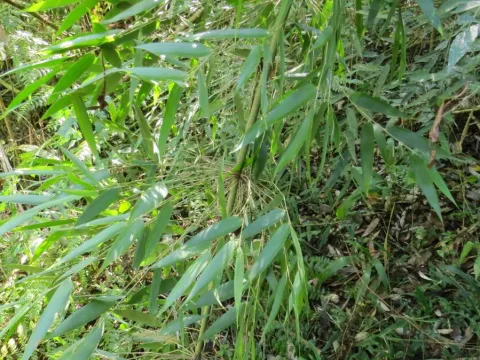
Merostachys is a genus of woody bamboos belonging to the grass family, Poaceae. These perennial plants are native to the tropical and subtropical regions of the Americas, where they form dense thickets in forest understories and along riverbanks.
What the section contains
Merostachys
The plant thrives in humid tropical climates that do not experience freezing temperatures. It requires a significant amount of annual rainfall and stable temperatures, ideally between 20°C and 30°C, to maintain optimal growth rates of its woody culms.
In terms of soil requirements, Merostachys prefers well-drained, fertile substrates that are rich in organic matter. While the plants appreciate high moisture levels, they cannot tolerate waterlogged conditions, which can lead to root decay.
Agricultural management includes regular fertilization, primarily with nitrogen-rich inputs, to promote rapid biomass production. Providing organic mulch around the base of the plants helps regulate soil moisture and prevents the root system from overheating.
Propagation is typically carried out vegetatively due to the infrequent and irregular flowering cycles of the genus. Choosing suitable sites that offer partial shade or filtered sunlight is recommended to ensure the healthy development of young culms.
The primary economic use of Merostachys is the harvesting of its mature culms for construction, furniture making, and artisanal crafts. The flexibility and structural integrity of the wood make it a highly valued material.
Harvesting is usually done by selectively cutting mature stalks that are typically between three and five years old. This method ensures that younger, developing shoots are not damaged, allowing for a sustainable cycle of regrowth.
Post-harvest processing involves drying the culms to reduce moisture content and prevent fungal infestation. Proper seasoning of the bamboo is essential to ensure the longevity and durability of the finished products.
Merostachys culms are also widely used by indigenous communities to create traditional tools, musical instruments, and intricate woven baskets. This reflects the plant's deep-rooted cultural importance in the regions where it grows.
Beyond its utilitarian value, Merostachys serves a critical environmental role by stabilizing soil on sloped terrain. Its complex underground rhizome system prevents erosion and helps maintain the integrity of local watershed ecosystems.