
Melica persica
Melica persica
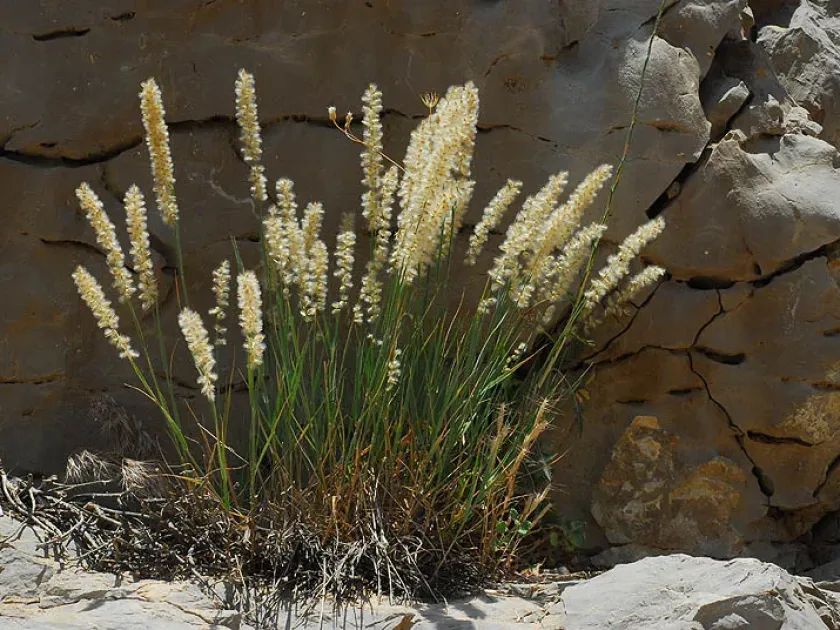
Description
Growing requirements
Melica persica, known as the Persian melic, is a perennial grass species belonging to the Poaceae family. This robust plant is well-adapted to harsh environmental conditions, making it a valuable resource for arid and semi-arid agricultural landscapes.
Botanically, it is characterized by its tufted growth habit and deeply penetrating root system. These adaptations allow the plant to thrive in rocky, poor-quality soils where moisture availability is often erratic and scarce.
The plant demonstrates a strong preference for well-drained soils and sunny exposures. It is highly resistant to both extreme heat and cold, allowing it to maintain metabolic activity across a wide range of climatic conditions throughout the year.
The geographic distribution of Melica persica spans across mountain ranges and steppe regions of Central and Western Asia. Its ability to tolerate low-nutrient substrates makes it an excellent candidate for land reclamation projects.
Growth begins early in the spring, taking advantage of seasonal moisture. As a C3 plant, it shows optimal development during cooler periods, which makes it a critical part of the early-season grazing cycle for livestock.
Yield
In agricultural practice, Melica persica is utilized primarily as a natural forage source for grazing animals. Sheep and cattle benefit from its high palatability during the initial vegetative stages of the growing season.
The nutritional profile of this grass provides essential proteins and fiber, which are vital for maintaining livestock health in challenging pastoral environments. It is often regarded as a reliable pasture component that remains productive when others fail.
Beyond forage production, the species plays a vital role in soil stabilization. Its extensive root network prevents erosion on steep terrain, ensuring the preservation of topsoil integrity in fragile ecological zones.
Yield productivity is dictated by local precipitation patterns. While it is naturally drought-tolerant, supplementary irrigation in managed pastures can significantly increase the total biomass production per harvest cycle.
For optimal forage quality, it is recommended to harvest or graze the grass before it reaches the flowering phase. This practice ensures higher digestibility and prevents the stems from becoming too lignified and fibrous for livestock consumption.
Main diseases and pests
The primary threat to the longevity of Melica persica stands is improper pasture management, specifically overgrazing. Continuous pressure from livestock prevents the plants from replenishing energy reserves in their roots.
Fungal diseases, such as rust, can occasionally affect the foliage, particularly in humid or stagnant air conditions. Maintaining open, well-ventilated pasture areas helps to reduce the incidence and spread of these pathogens.
Insect pests, including various aphids and grasshoppers, can cause localized damage to the vegetative tissue. Integrated pest management strategies should be employed if populations reach levels that impact biomass output significantly.
Competition from invasive weeds can hinder the establishment of the grass during its first year of growth. Effective site preparation and selective weed management are essential for securing a successful, long-lasting stand.
Soil compaction caused by heavy equipment or concentrated animal traffic can impede the aeration of the root zone. Proper land use planning and rotating grazing zones can help maintain the physical and biological health of the field.