
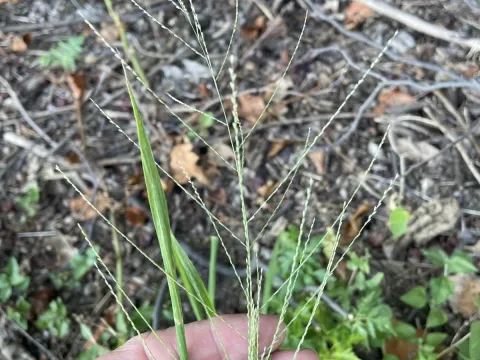
Leptochloa panicea
Leptochloa panicea
Leptochloa panicea is an annual grass species belonging to the Poaceae family. Originating from tropical and subtropical climates, this plant is well-known for its ability to thrive in hot conditions where many other fodder crops fail.
What the section contains
Leptochloa panicea
The plant demonstrates significant soil versatility, although it performs best in fertile, well-drained loamy soils. It has a moderate tolerance for various pH levels, making it suitable for a wide range of agricultural landscapes.
Abundant sunlight is a critical factor for the vigorous growth of Leptochloa panicea. It requires high temperatures during the germination phase and throughout its growth cycle to achieve maximum biomass production.
Water management is essential, as the plant responds positively to consistent moisture but can endure short dry spells. This resilience makes it a valuable species for rotation in arid and semi-arid agricultural systems.
Its primary agricultural use is as a high-quality forage crop for livestock. It provides nutritious grazing material and can be harvested for hay, supporting animal health in warmer climates.
Fungal pathogens represent the most significant threat to the crop, particularly in high-humidity conditions. Rust and leaf spot diseases are common, often leading to reduced photosynthetic area and plant vitality.
Insect pests such as aphids, leafhoppers, and grasshoppers are frequent visitors to the fields. These pests damage the foliage and can lead to secondary infections by transmitting viral agents into the plant tissues.
Integrated Pest Management (IPM) is highly recommended to manage these threats. This includes maintaining field hygiene, practicing crop rotation, and monitoring pest populations closely during the early stages of growth.
Chemical control measures should be applied selectively only when thresholds are exceeded to minimize the impact on beneficial insects. Biological control agents may also be used in more sustainable farming systems.
Early identification of signs of stress or pest infestation is crucial. Growers should perform regular field walks to ensure prompt action, thereby preserving the quality and quantity of the forage harvest.