
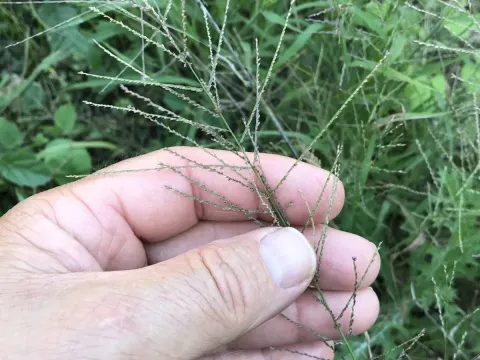
Leptochloa mucronata
Leptochloa mucronata
Leptochloa mucronata, commonly known in some regions as red sprangletop, belongs to the Poaceae family. It is an annual grass that is widely distributed across the Americas and has been adapted for various agricultural and soil conservation purposes.
What the section contains
Leptochloa mucronata
The crop thrives in warm climates and requires consistent exposure to direct sunlight for optimal growth. It is highly adaptable to a variety of soil types, including sandy, loamy, and clay soils, provided they offer adequate drainage.
Water availability is critical during the seedling stage. Once established, the plant shows moderate drought tolerance, although it significantly benefits from high-moisture conditions during the rapid vegetative growth phase.
Proper soil preparation is essential, as the fine seeds require a firm, weed-free seedbed to germinate effectively. The recommended pH range for this species is between 6.0 and 7.5, ensuring optimal nutrient uptake for the plant.
Nutrient management involves applying nitrogen-based fertilizers early in the season to maximize leaf production. Careful monitoring of soil salinity is advised, as excessive salt levels can negatively impact biomass development.
The primary fungal threats to this grass include leaf spot diseases and rust, which often emerge during prolonged periods of high humidity. These infections can severely reduce both the quantity and the nutritional quality of the forage.
Invertebrate pests such as grasshoppers and various species of aphids can cause significant damage to the foliage. Integrated pest management strategies are recommended to mitigate the impact without excessive chemical use.
Competition from broadleaf weeds can suppress the crop during the early stages of development. Timely cultivation or the use of approved herbicides is necessary to ensure the crop establishes dominance in the field.
Soil-borne pathogens can also affect root health, especially in fields with poor drainage or in continuous cropping systems. Crop rotation is highly recommended to break the life cycles of these common agricultural pests.
Regular scouting of the fields is essential for early detection of stress. Prompt intervention when symptoms first appear is crucial to maintaining the health and productivity of the entire stand throughout the growing season.