
Leptochloa neesii
Leptochloa neesii
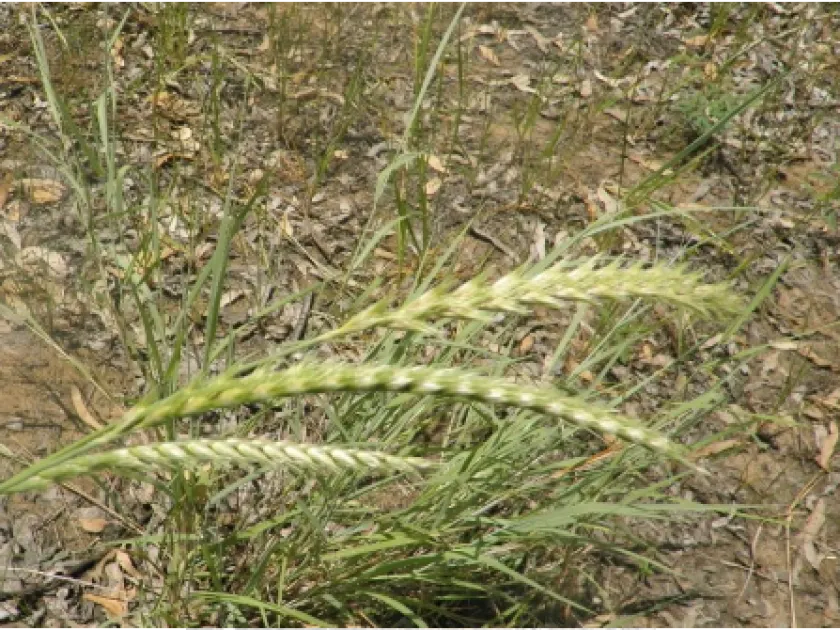
Description
Growing requirements
Leptochloa neesii is a robust perennial grass species belonging to the Poaceae family. Native to tropical and subtropical regions, this grass is recognized for its significant role in grazing lands and as a source of high-quality livestock forage.
The plant exhibits distinctive botanical traits, including long, slender leaves and inflorescences typical of the Leptochloa genus. It is particularly adapted to riparian zones and seasonally wet environments, demonstrating a high tolerance for periodic waterlogging.
Climatic requirements for successful cultivation center on warmth and consistent moisture. Leptochloa neesii thrives in tropical temperatures and requires a long, frost-free growing season to reach its full productive potential as a primary forage crop.
In terms of soil, this grass prefers fertile, moisture-retentive substrates. While it can tolerate heavy clay soils, optimal production is achieved through proper fertilization and ensuring the site remains sufficiently hydrated throughout the active growth phase of the plant.
Agricultural management is primarily focused on grazing intensity and timing of harvest. By controlling the frequency of defoliation, farmers can maintain a nutritious, leafy stand that provides essential nutrients for livestock in warm-climate production systems.
Main diseases and pests
Fungal diseases, especially those thriving in high humidity, represent the most significant threat to Leptochloa neesii stands. Leaf spot and rust fungi can negatively impact the photosynthetic capacity of the plants, leading to a reduction in overall biomass yield.
Pest populations such as aphids and stem-boring insects may colonize the plants, especially during the peak of the growing season. Maintaining field hygiene and monitoring for initial infestation levels is essential for effective pest control in commercial forage settings.