
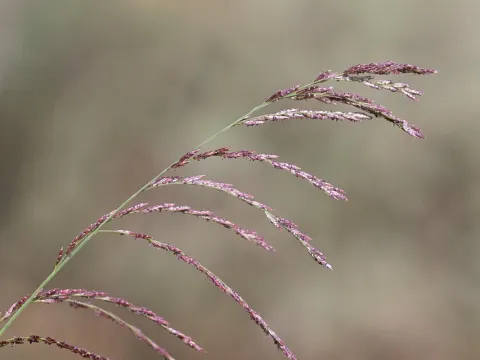
Leptochloa decipiens
Leptochloa decipiens
Leptochloa decipiens is a perennial grass species belonging to the family Poaceae. Native to Australia, this plant has gained attention in agricultural science for its remarkable ability to survive in challenging, arid, and semi-arid environments.
What the section contains
Leptochloa decipiens
The grass is highly versatile regarding soil requirements, thriving in a variety of substrates including alluvial plains and heavy clay soils. It shows a high tolerance for salt accumulation, which makes it suitable for rehabilitating saline land in agricultural areas.
Environmental conditions for optimal growth involve significant exposure to sunlight and high temperatures. While it performs best with regular rainfall, its deep root system allows it to remain dormant during dry spells and recover quickly once moisture becomes available.
Botanically, Leptochloa decipiens is characterized by its slender, elongated foliage and open panicle inflorescences. The plant can reach significant heights, providing a substantial amount of biomass suitable for livestock grazing.
The primary agricultural use of this species is as a forage crop. It is valued for its palatability and nutritional content, particularly in the early stages of growth, contributing to sustainable livestock management in regions with limited water resources.
The crop is susceptible to various fungal pathogens that thrive under high humidity, especially during the flowering stage. Leaf rust and spot diseases are among the most common threats that can significantly diminish the quality of the fodder.
Common insect pests, including aphids and thrips, often target the succulent vegetative parts of the plant. Integrated pest management strategies, focusing on biological control where possible, are recommended to maintain healthy stands.
Weed competition represents a major threat during the establishment phase. Because Leptochloa decipiens grows slowly at the seedling stage, it requires careful site preparation and management to ensure it gains dominance over aggressive weed species.
Overgrazing poses a severe threat to the long-term productivity of the pasture. If the plant is continuously cropped without sufficient recovery time, the root reserves become depleted, leading to reduced vigour and potential stand failure.
Climatic stress factors such as prolonged frost or extreme heatwaves can affect the plant’s metabolism. Effective agricultural practices involve monitoring these environmental stressors to adjust management regimes accordingly and maintain optimal biomass production.