
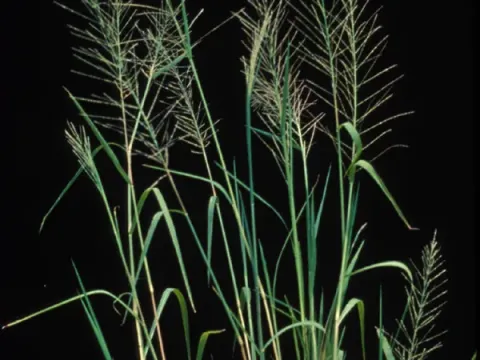
Leptochloa domingensis
Leptochloa domingensis
Leptochloa domingensis is a perennial grass species belonging to the Poaceae family. In tropical regions, the sowing period typically begins with the onset of the wet season, ensuring the soil remains moist enough for early development.
What the section contains
Leptochloa domingensis
The seeds are small and sensitive, requiring a shallow planting depth of approximately 1 to 2 centimeters. Proper seed-to-soil contact is essential for uniform germination and establishing a healthy seedling stand.
Commercial cultivation practices involve both direct seeding and, in cases of land rehabilitation, transplanting established seedlings. The species is known for its rapid initial growth, which helps in suppressing competition from invasive weeds.
Choosing the right seeding rate is vital to avoid overcrowding and resource competition. Agronomists recommend adjusting the density based on the final utilization goal, whether it is for hay production or permanent pasture.
Following a well-planned crop rotation sequence minimizes the risk of soil-borne diseases. Ensuring the soil is properly prepared and free of competing weeds before planting provides the best start for the crop.
This grass is highly adapted to tropical climates and exhibits excellent heat tolerance. Once the root system is well-established, it demonstrates a notable resilience against extended dry spells.
Leptochloa domingensis thrives in fertile, well-drained loamy soils with a neutral pH level. While it is naturally hardy and can persist in poorer soils, nutrient enrichment significantly enhances biomass production.
Solar exposure is a critical factor, as this species is light-demanding and performs best in open areas. Shaded environments tend to restrict its growth, leading to thinner stalks and lower yield potential.
The plant shows a remarkable tolerance to waterlogged soils for short durations, making it a suitable candidate for planting in areas prone to seasonal flooding. Its robust root system helps stabilize soil structure.
Regular fertilization with nitrogen and potassium is encouraged to maintain high yield levels over successive seasons. Proper nutrition directly correlates with the quality of the forage produced during the vegetative phase.
The primary use of Leptochloa domingensis is as a source of high-quality forage and hay for livestock. Its palatable leaves provide essential nutrients for healthy growth in grazing animals.
Yield efficiency is heavily dependent on the management of cutting or grazing intervals. Frequent harvesting at the correct stage of growth encourages vigorous re-growth and higher overall biomass production.
Managed grazing systems, such as rotational grazing, are recommended to prevent overgrazing. This practice allows the plant to recover and maintains the longevity of the pasture, maximizing productivity per hectare.
Due to its high leaf-to-stem ratio, the harvested material is easily digested by livestock. This characteristic makes it highly valued in intensive farming operations where high-quality feed is essential.
Total annual yield is influenced by moisture availability and seasonal temperature patterns. Under irrigated conditions, this crop shows significant yield potential, often outperforming native pasture grasses.
Fungal leaf spot diseases are the primary threat, especially during periods of high humidity. Proactive monitoring and timely harvesting are effective ways to mitigate the spread of these pathogens across the field.
Insect pests such as leaf-eating caterpillars and certain types of grass flies can cause significant damage to young plants. Integrated pest management strategies are recommended to keep populations below threshold levels.
Over-utilization and excessive grazing pressure can weaken the plants, leading to gaps in the pasture that may be invaded by invasive weeds. Proper pasture management remains the best defense against degradation.
The use of herbicides should be carefully managed to avoid phytotoxic damage to the crop. Selecting products that specifically target broadleaf weeds without affecting the grass is the preferred approach.
Sanitation of agricultural machinery between fields is essential to prevent the cross-contamination of spores and pests. Using certified, disease-free seed is the first step in ensuring a healthy crop cycle.
The harvesting process should take place during the heading stage to capture the highest nutritional value before the plant begins to produce lignified stems. This timing ensures the best quality hay.
Maintaining an appropriate cutting height, typically between 5 and 7 centimeters, is crucial for preserving the plant's growing points. This allows for rapid recovery and sustains long-term pasture health.
Drying the harvested material for hay requires careful moisture management to retain the nutritional profile and color. Avoid prolonged exposure to direct, scorching sun which may degrade the vitamin content.
When harvesting seeds, combine settings must be precise due to the small size of the seeds. Early morning harvesting is often preferred to reduce losses caused by natural shattering of the seed heads.
Stored hay must be kept in well-ventilated, dry storage facilities to prevent mold growth and maintain fodder quality. Consistent temperature and humidity levels help prolong the feed's storage life.