
Koeleria delavignei
Koeleria delavignei
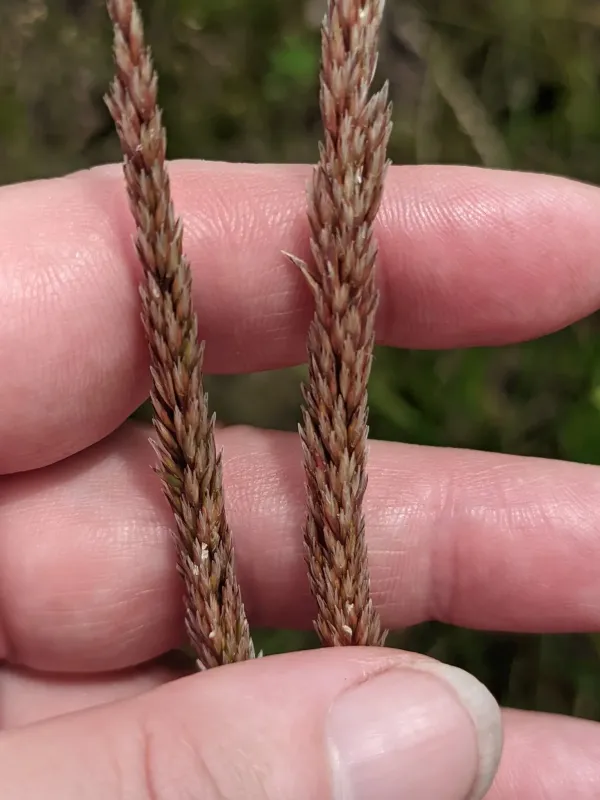
Description
Sowing dates
Koeleria delavignei is a hardy grass species that thrives when sown in early spring. This timing allows the seeds to benefit from residual soil moisture, which is critical for successful germination and early establishment in open-field conditions.
Late autumn sowing is also a viable option, utilizing natural winter cold (stratification) to promote uniform emergence in the spring. This method is often preferred in regions with harsh winters to ensure early season growth.
The seedbed must be finely prepared, as the seeds are small and require close contact with soil particles. The recommended sowing depth is approximately 1–2 centimeters to ensure protection while allowing the seedlings to reach the surface.
Since the plant grows slowly during the first year, it is vital to control weed competition in the seedling stage. Providing a clean field initially will significantly improve the long-term success of the grassland.
The seeding rate varies depending on the intended use, typically ranging from 6 to 10 kilograms per hectare. Proper calibration of sowing equipment is necessary to ensure an even distribution of the seeds across the field.
Growing requirements
As a member of the Poaceae family, Koeleria delavignei is highly valued for its drought tolerance. It is well-adapted to semi-arid regions and can endure prolonged dry spells that would damage more sensitive forage crops.
The species prefers well-drained, fertile to moderately fertile soils. It thrives in various soil types, including chernozems and sandy loams, showing a preference for neutral or slightly alkaline pH levels.
Light intensity is a key factor for this grass; it requires full sunlight to achieve optimal biomass production. Shady environments are detrimental and will likely lead to the decline of the stand over time.
This grass exhibits excellent winter hardiness and can withstand significant temperature fluctuations. Its physiological adaptations allow it to survive in regions with extreme seasonal weather transitions.
Effective soil management, such as maintaining proper aeration and avoiding heavy compaction, is essential for the longevity of the grass stand. It is a robust plant that requires minimal inputs if established in its ideal niche.
Yield
The primary agricultural utility of Koeleria delavignei is in the creation of permanent pastures and rangelands. It is highly palatable to livestock, particularly in its early growth stages before the stems become overly lignified.
The grass is known for its ability to regrow efficiently after grazing or cutting, provided that soil moisture remains adequate. This resilience makes it a reliable component of sustainable pastoral systems.
In mixed-species stands, this grass provides essential soil coverage, helping to prevent wind and water erosion on slopes. Its dense root system contributes to soil structure improvement over multiple years.
The nutritional profile of this forage is sufficient to support livestock during the active grazing season. Its consistent performance makes it a staple for extensive animal husbandry in steppe zones.
Seed production is a key economic aspect, allowing farmers to maintain their stands or expand operations. With proper harvest management, growers can achieve consistent seed yields for replanting.
Main diseases and pests
While naturally robust, Koeleria delavignei may be susceptible to fungal diseases such as rust or powdery mildew if the humidity remains high or the stand becomes overly dense. These conditions hinder airflow and create microclimates for pathogens.
Insects like wireworms and grass flies can occasionally cause damage to developing plants. Monitoring fields for signs of pest activity is crucial during the early vegetative stages to prevent significant stand loss.
Preventative measures include crop rotation and ensuring that pastures are not overgrazed, which helps maintain plant vigor. Healthy plants are generally more capable of defending against minor pest infestations.
- Stem and leaf rust fungi
- Powdery mildew under high humidity
- Wireworm larvae in the soil
- Grass flies impacting vegetative growth
If chemical intervention is necessary, farmers should use targeted, approved treatments and adhere to specific application guidelines to minimize impacts on beneficial insects and soil life.
Harvesting
For hay production, the harvest should take place at the onset of heading. This specific timing balances biomass quantity with the nutritional quality, ensuring the forage retains high protein levels.
When harvesting for seed, the operation should begin when the panicles are mature and dry. A two-stage harvesting process, involving cutting and windrowing, is often recommended to ensure the seeds are properly matured.
Drying the harvested biomass in windrows is critical for preventing heating and maintaining seed viability. Proper air circulation during this period is essential for the quality of the final seed batch.
After threshing, cleaning the seeds involves removing chaff and light debris using professional seed cleaners. Clean, dry seeds should be stored in a cool, dark environment to preserve their germination potential.
Precision in timing is vital for harvesting, as the seeds of Koeleria delavignei can easily shatter if left on the stalk for too long, leading to significant yield losses in the field.