
Koeleria talievii
Koeleria talievii
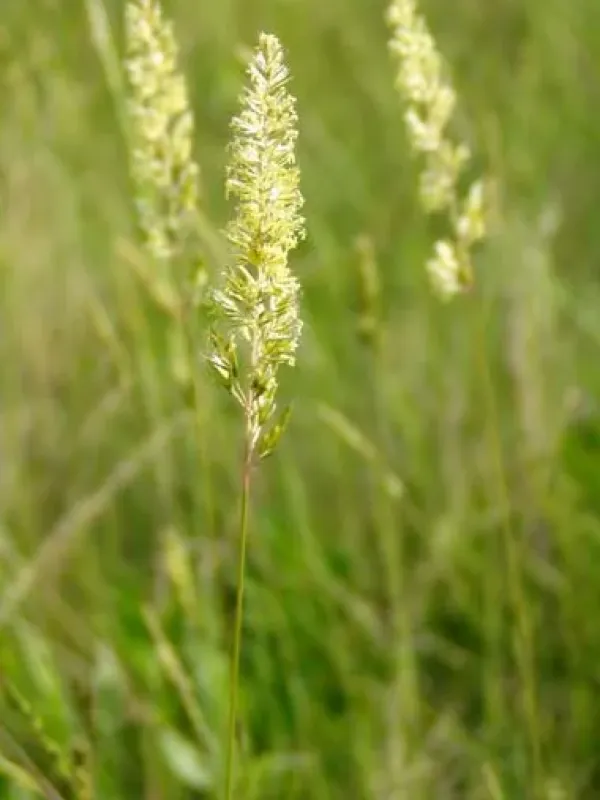
Description
Growing requirements
Koeleria talievii is a perennial grass species belonging to the Poaceae family. It is recognized for its specialized ecological niche, often found in chalk outcrops and dry steppe environments where survival requires exceptional resilience to nutrient-poor and rocky substrates.
The native distribution of this species is largely associated with specific geological formations in Eastern Europe. Its growth pattern is adapted to high-drainage soils, making it an ideal candidate for soil stabilization in regions prone to erosion or arid conditions.
Climatic adaptability is a hallmark of this plant. Koeleria talievii thrives in high-light intensity and exhibits significant drought resistance. Its physiological mechanisms allow it to maintain metabolic stability even under prolonged water deficit, which is crucial for survival in arid steppe climates.
Botanically, the plant forms dense tufts, which contribute to its ability to prevent soil displacement. The leaves are typically narrow and tough, minimizing water loss. The reproductive phase results in a spike-like panicle, ensuring effective seed dispersal by wind in open, gusty environments.
Regarding its utility, the species is primarily valued for ecological restoration and land reclamation rather than as a primary forage crop. It serves as a foundational plant in natural grassland ecosystems and is studied for its potential in sustainable landscaping and slope stabilization projects.