
Koeleria vallesiana
Koeleria vallesiana
Description
Sowing dates
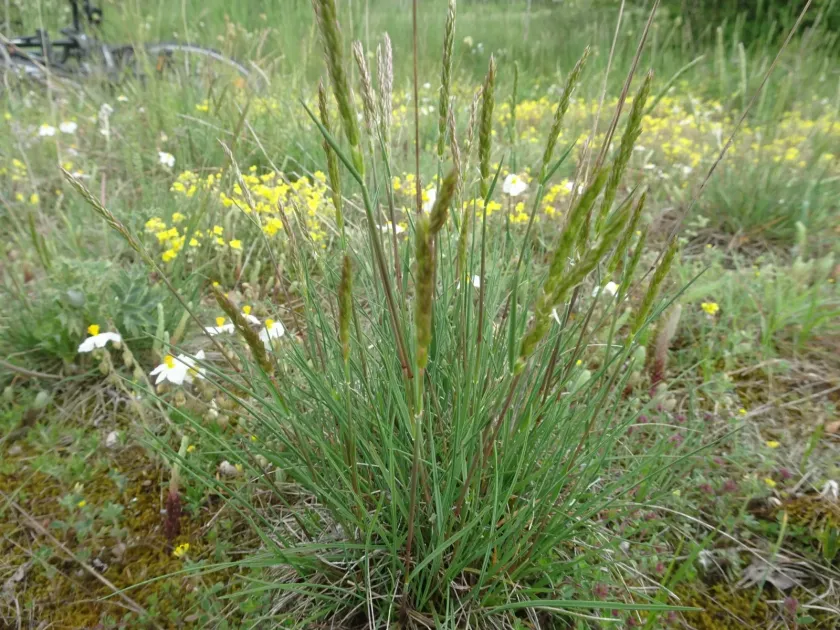
Koeleria vallesiana, known commonly as the Walliser Koeleria, is a perennial grass species belonging to the Poaceae family. It is recognized for its dense tufted growth habit and its ability to thrive in harsh, rocky environments.
Sowing should be conducted in early spring to take advantage of the moisture profile. Because the seeds are tiny, they should be surface-sown or covered with a very light layer of soil to ensure proper germination without depriving them of necessary sunlight.
Adequate soil preparation is critical. The seedbed must be firm and free of debris, as the seedlings are sensitive to competition from aggressive weeds during the first months of growth.
Planting densities should be optimized to allow for the natural spread of the clumps as the plant matures. A spacing of 20 to 30 centimeters is usually recommended for establishing uniform stands of this grass.
Although the plant is slow to establish, once it has developed a healthy root system, it becomes extremely resilient and capable of surviving in poor, nutrient-deficient soils with minimal intervention.
Growing requirements
This species is a quintessential xerophyte, requiring full sun exposure to flourish. It will not persist in shaded environments, and its growth vigor is directly correlated with the amount of solar radiation it receives throughout the day.
Regarding soil, Koeleria vallesiana prefers well-drained, calcareous, or stony substrates. It thrives in soils with low fertility, making it an excellent candidate for ecological restoration of degraded sites where other grasses might fail.
The plant demonstrates remarkable drought tolerance. Its narrow, slightly inrolled leaves are an evolutionary adaptation designed to minimize transpirational water loss, allowing the plant to remain green even during prolonged dry spells.
Climate-wise, it prefers regions with a continental climate characterized by cold winters and warm, dry summers. It is fully hardy and can withstand significant frost without suffering damage to its root crown.
Management practices should avoid heavy fertilization. Excessive nitrogen intake forces lush growth that is structurally weak and more prone to disease, undermining the plant's natural hardiness.
Main diseases and pests
The primary threats to Koeleria vallesiana involve fungal pathogens that thrive in stagnant air or excessively humid conditions. Leaf rusts and powdery mildew are the most common concerns in sub-optimal environments.
Pests such as cereal aphids and certain lepidopteran larvae may feed on the foliage, although they rarely cause catastrophic damage unless the plant is already severely stressed by drought or poor nutrition.
Weed encroachment is the most significant threat during the establishment phase. Vigorous perennial weeds can easily outcompete the slow-growing Koeleria seedlings, leading to high mortality rates in the first year.
Root rot, driven by poor drainage, is a critical risk factor. If water accumulates around the base of the plant, the root system will quickly succumb to decay, leading to the collapse of the entire clump.
- Maintain proper drainage in the soil.
- Implement regular weed control early in the season.
- Monitor for early signs of fungal rust.