
Crested hair grass
Koeleria spicata
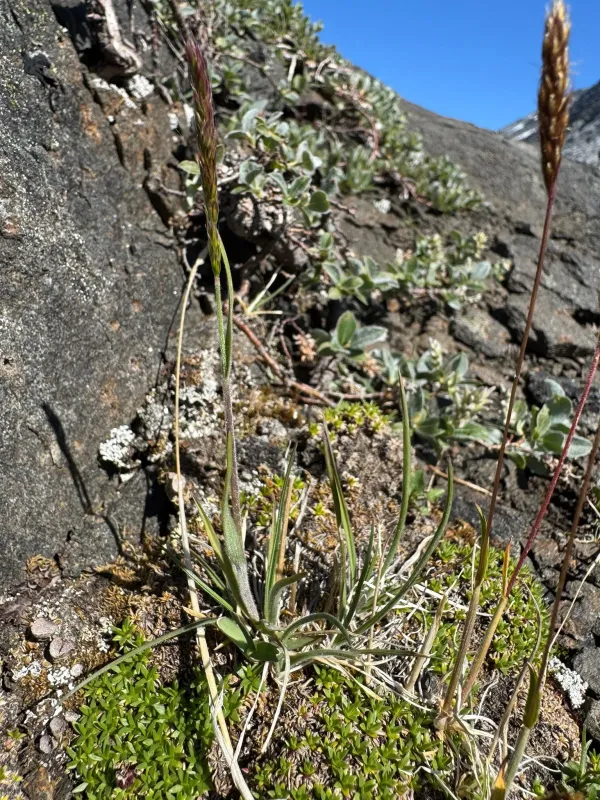
Description
Growing requirements
Crested hair grass (Koeleria macrantha) is a prominent perennial bunchgrass belonging to the Poaceae family. It is widely recognized for its adaptability to diverse environmental conditions, ranging from arid steppes to temperate grasslands.
The plant is highly drought-tolerant, making it an excellent choice for reclamation and restoration projects in dry climates. Its deep root system allows it to thrive in well-drained, sandy, or rocky soils where other forage species might struggle to survive.
In terms of climate requirements, the species is cold-hardy and resilient to extreme temperature fluctuations. It shows rapid growth during the early spring season, taking advantage of soil moisture before the onset of summer drought.
The botanical structure of Crested hair grass is characterized by dense tufts and slender, rolled leaves. This architecture provides excellent ground cover, which is highly effective in preventing soil erosion and maintaining soil structural integrity.
Economically, this grass is prized for its palatability for livestock, particularly sheep and cattle. It is often included in pasture seed mixes to enhance the nutritional value of the forage and ensure sustainable grazing throughout the growing season.
Main diseases and pests
Crested hair grass can be susceptible to common fungal pathogens such as rust and powdery mildew, especially in areas with high humidity and poor air circulation.
Insect pests, including aphids and various grass-feeding larvae, can negatively impact biomass production if left unmanaged during peak infestation periods.
Overgrazing poses the most significant threat to the longevity of the grass stand, often leading to species replacement by less desirable weeds and decreased plant vigor.
Management practices should focus on rotational grazing to allow for recovery and seed set, which helps maintain the stand density over time.
Monitoring for signs of root rot in low-lying or poorly drained areas is essential, as this condition can cause significant localized dieback in the field.