
Koeleria hybrids
Koeleria hybrids
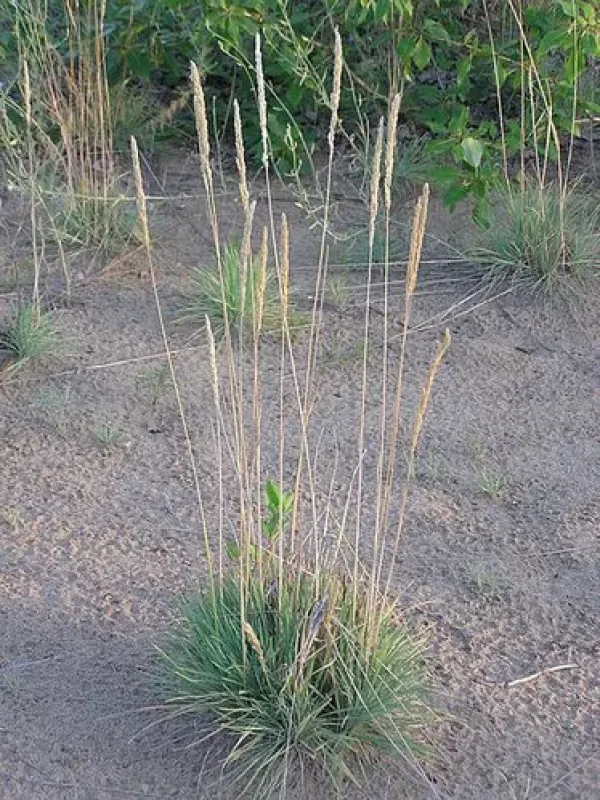
Description
Sowing dates
Koeleria hybrids, belonging to the Poaceae family, require careful site preparation before sowing. The ideal time for planting is early spring or late autumn when the soil temperature promotes steady germination.
Seeds should be distributed evenly at a shallow depth of approximately 1 centimeter. Because the seeds are relatively small, it is essential to ensure good soil-to-seed contact by using a light roller or covering the area with a thin layer of compost.
A typical seeding rate ranges from 10 to 15 grams per square meter, depending on whether it is being used for a mono-stand or as part of a seed mixture. Consistent moisture must be maintained for the first 3 to 4 weeks to ensure successful establishment.
Once established, the grass forms a dense, resilient sod that can withstand moderate foot traffic. Early development is focused primarily on root systems, so it is important to minimize any mechanical stress during the first growing season.
If sowing in late autumn, it is crucial to ensure that seeds germinate or remain dormant until spring without being washed away by heavy rains. Choosing a high-quality seed lot with high purity standards is critical for achieving a uniform stand.
Growing requirements
Koeleria hybrids are highly valued for their exceptional drought tolerance and adaptability to diverse environmental conditions. They thrive best in full sun and well-drained soil, making them perfect for xeriscaping or low-maintenance landscaping.
The grass is native to open, well-aerated habitats, which defines its preference for sandy or gravelly soil types. It performs poorly in heavy, waterlogged clays, where the risk of root rot increases significantly during the dormant season.
In terms of soil pH, this grass is quite flexible, though it prefers slightly neutral to alkaline conditions. It does not require intensive fertilization; in fact, excessive nitrogen can reduce its natural resilience and cause weak, elongated stems.
Climate-wise, Koeleria hybrids are cold-hardy and capable of surviving harsh winter conditions. Their ability to remain green and vibrant even during mid-summer heatwaves makes them a superior choice compared to traditional lawn grasses.
Regular maintenance involves occasional trimming to keep the plants tidy, but they do not require the frequent mowing demanded by standard turf. Removing thatch buildup every few years will help maintain the health and vigor of the stand.
Main diseases and pests
The primary threats to Koeleria hybrids are almost exclusively related to poor drainage or excessive humidity. When the environment becomes too moist, the plants become susceptible to various fungal pathogens that affect the crown and root health.
Powdery mildew is occasionally observed, especially during periods of high humidity and poor air circulation. Improving site drainage and thinning dense clumps can often resolve these issues without the need for synthetic chemicals.
Insects like grass bugs or aphids can cause cosmetic damage to the foliage. While these rarely kill the established plant, they can degrade the visual appeal of the turf, which may require the application of selective insecticides if the infestation is severe.
Weed competition during the seedling stage is the most significant biotic challenge for new plantings. Since Koeleria grows slowly at the start, regular weeding or the use of pre-emergent control methods is often necessary to provide it with a competitive edge.
General health is maintained through a robust ecosystem approach. Healthy soil with active microbial life usually supports the natural defenses of the grass, minimizing the need for constant monitoring for pests or diseases.