
Crested Hair Grass
Koeleria hirsuta
Description
Growing requirements
Crested Hair Grass (Koeleria hirsuta) is a perennial grass species belonging to the Poaceae family. It is known for its ability to thrive in challenging environments, making it an excellent candidate for various ecological and agricultural applications.
Native to rocky and dry regions, this plant is highly adapted to sunny locations and minimal water supply. Its deep root system allows it to extract moisture from nutrient-poor soils where other grass species would fail to survive.
Regarding soil requirements, this species favors well-draining, sandy, or rocky substrates. It does not tolerate waterlogging, which can lead to rapid root degradation. A neutral to alkaline pH level is ideal for optimal development.
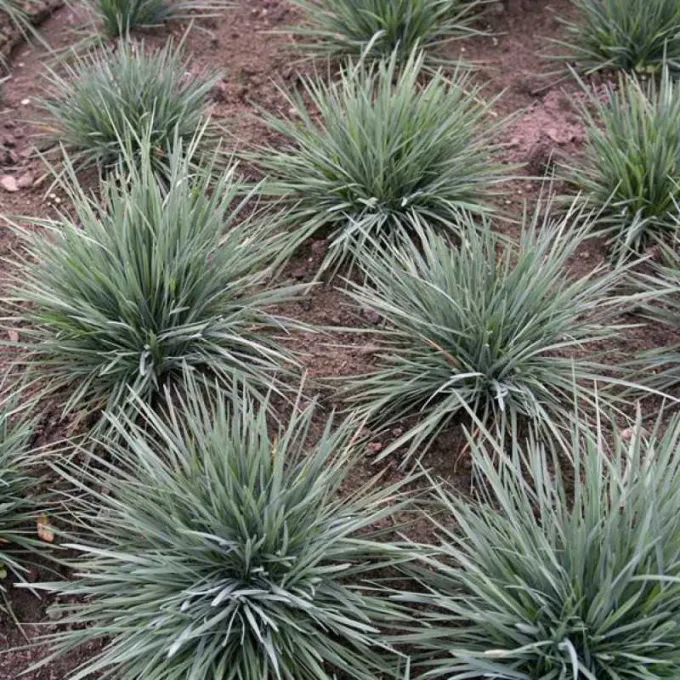
This grass is widely appreciated for its drought tolerance and minimal maintenance requirements. It maintains a compact, tufted habit throughout the growing season, providing a stable ground cover that resists erosion in arid areas.
In terms of cultivation, it is crucial to ensure good light exposure. The plant does not require high levels of fertilization, as excessive nutrients can sometimes lead to lush but weaker foliage that is more susceptible to environmental stress.
Main diseases and pests
Crested Hair Grass is notably resilient against common grass pathogens. Its robust nature makes it naturally resistant to many fungal diseases, provided that the growing site offers adequate drainage and ventilation.
However, growers should monitor for soil-dwelling pests like grubs, which might target the root zone during the establishment phase. Early detection and management are key to preventing stunted growth.
High humidity and poor airflow can facilitate the development of secondary bacterial issues. Maintaining spacing between individual plants ensures that foliage dries quickly after rainfall, reducing the risk of infection.
Agricultural management should focus on weed control during the early stages of growth, as the grass seedlings may struggle to compete with aggressive weeds. Once established, the dense turf effectively suppresses competing vegetation.
No heavy chemical intervention is typically necessary. Integrated pest management, centered on maintaining favorable soil conditions, is usually sufficient to ensure the long-term health of the crop.