
Koeleria australis
Koeleria australis
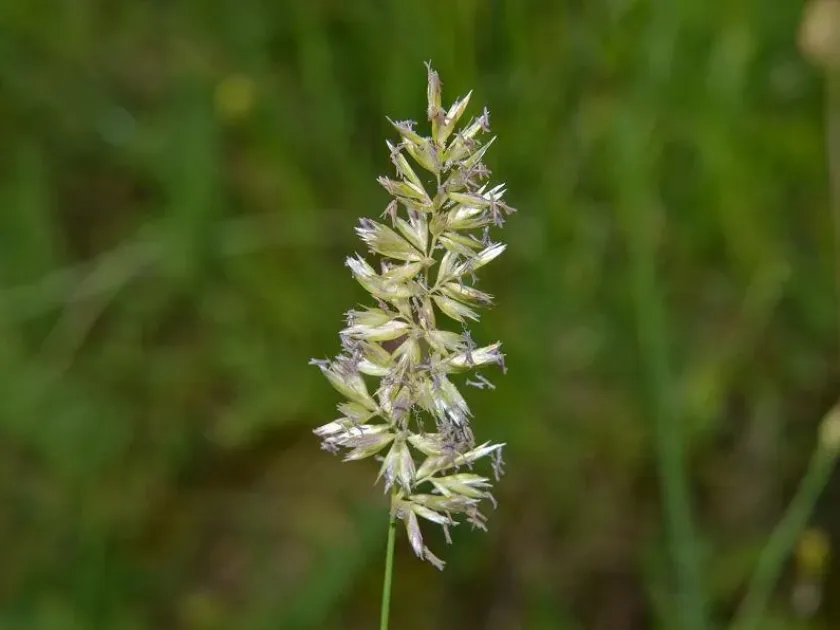
Description
Sowing dates
Sowing of Koeleria australis is typically performed in early spring or late summer when soil moisture is adequate for seed germination.
Due to the small size of the seeds, they should be sown shallowly, at a depth of about 1 to 2 centimeters, followed by rolling to ensure soil contact.
Row seeding with spacing of 15-20 centimeters is recommended for establishing stable and productive grassland stands.
Effective weed control is critical during the first year, as this grass species grows relatively slowly while establishing its root system.
It performs exceptionally well when integrated into seed mixtures with legumes, enhancing both the fodder quality and the nitrogen content of the soil.
Growing requirements
Koeleria australis belongs to the Poaceae family and is recognized for its significant drought tolerance and winter hardiness.
The plant thrives in well-drained loamy or sandy soils and is highly intolerant of waterlogged conditions or excessive soil moisture.
It prefers sunny, open environments to maximize biomass production and maintain the health of the perennial stand.
The species exhibits high adaptability to various temperate climates, making it a reliable option for agricultural use in diverse regions.
Proper nutrient management, particularly moderate nitrogen fertilization, is beneficial for stimulating vegetation growth after cutting.
Yield
Forage yield is largely dependent on soil fertility and the frequency of precipitation throughout the growing season.
With proper management, the crop can provide two quality cuts per season, offering a consistent supply of nutritious fodder.
Productivity is generally highest between the third and fifth years, after which maintenance measures like overseeding may be required.
The hay produced from Koeleria australis is highly valued for its protein content and high digestibility for various types of livestock.
The species demonstrates excellent stability in production, even under sub-optimal weather conditions, ensuring a reliable crop output.
Main diseases and pests
Fungal diseases, such as leaf rust and various spots, can occur, particularly when humidity levels remain consistently high within the canopy.
Cereal flies and aphids represent the most common pests that can damage the developing stems and reduce overall stand density.
Maintaining proper air circulation through timely management and avoiding over-densification helps mitigate the risk of disease spread.
Integrated pest management strategies should focus on preventive measures and the use of resistant seed varieties where available.
Chemical intervention should be considered a last resort and applied only when pest populations exceed acceptable economic thresholds.
Harvesting
Harvesting for hay should occur during the heading stage to achieve the ideal balance between biomass volume and nutritional quality.
Using efficient mowing equipment helps preserve the leaves, which are the most nutrient-rich part of the plant.
When used for grazing, rotational systems must be implemented to prevent overgrazing and allow the plants enough time to recover.
For seed production, harvesting should be timed carefully when the inflorescences reach maturity, indicated by a change in their color.
Proper post-harvest processing, including cleaning and drying seeds to safe moisture levels, is essential for maintaining long-term seed viability.