
Jemtland bluegrass
Poa jemtlandica
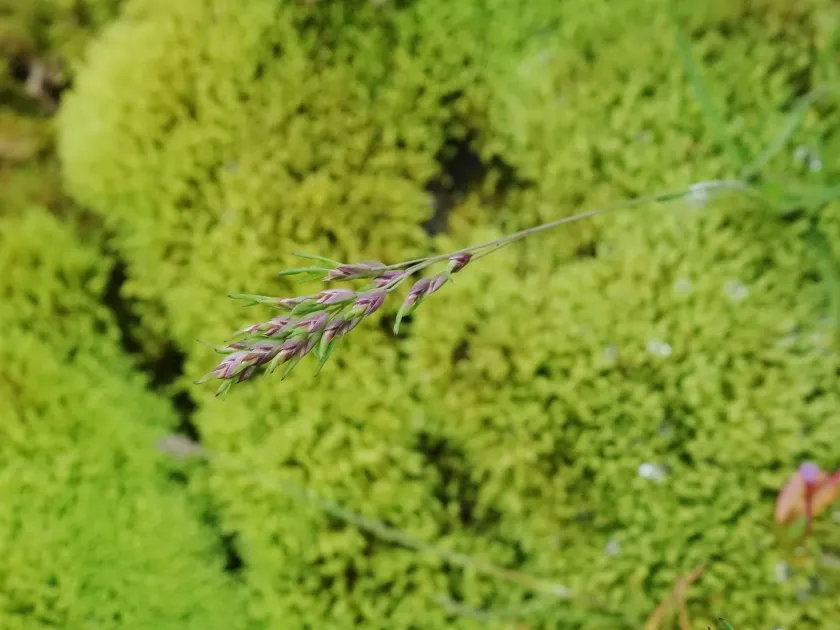
Description
Growing requirements
Jemtland bluegrass (Poa jemtlandica) is a hardy perennial grass belonging to the Poaceae family, primarily adapted to cold climates and mountainous terrain.
Native to northern regions, this grass species has evolved to thrive in harsh environments, displaying remarkable cold tolerance and the ability to withstand early spring frosts.
The botanical structure consists of dense tillers and a robust root system, which allows the plant to persist in nutrient-poor soils and stabilize soil surfaces against erosion.
Regarding site requirements, Poa jemtlandica prefers well-drained, moisture-retentive loamy soils. It avoids standing water and is best suited for cooler northern latitudes where summer temperatures are moderate.
In terms of agricultural utility, it is recognized for its persistence in permanent pastures. Its nutritional quality makes it a reliable feed source for livestock in regions where other grasses struggle to survive.
Main diseases and pests
While Jemtland bluegrass is naturally resilient, it can still face pressure from common pathogens such as rust fungi if environmental conditions favor spore dissemination.
Pests such as grass aphids can occasionally affect vigor, particularly in dense stands where airflow is restricted and moisture levels remain consistently high.
Management strategies involve keeping the sward healthy through appropriate nitrogen and phosphorus levels, which strengthens the plant's natural defense mechanisms against insect attacks.
Cultural control methods, such as strategic grazing management, help maintain plant density and prevent the accumulation of dead plant material that might harbor pests.
In extreme cases of infestation, integrated pest management (IPM) practices should be employed to balance the need for chemical intervention with the maintenance of biodiversity in grassland ecosystems.