
Koeleria nitidula
Koeleria nitidula
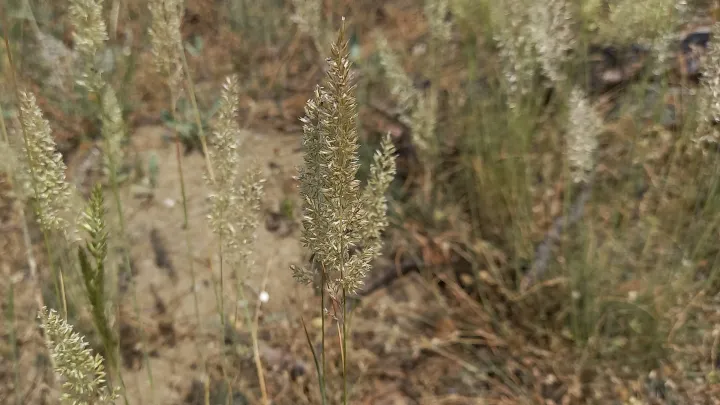
Description
Sowing dates
Sowing Koeleria nitidula is typically performed in early spring when soil temperatures reach 8–10 degrees Celsius, ensuring optimal conditions for germination.
Late autumn sowing is also a viable practice, allowing the seeds to undergo natural stratification, which often results in more vigorous growth during the subsequent spring season.
The seeding depth should be carefully controlled, as seeds are small and should not be buried deeper than 1–2 centimeters for successful emergence.
A typical seeding rate ranges from 10 to 15 kilograms per hectare in pure stands, though this may be adjusted when sowing as part of a multi-species forage mix.
Post-sowing rolling is highly recommended to improve soil-to-seed contact, which is crucial for maximizing germination rates in dry or exposed soil conditions.
Growing requirements
Koeleria nitidula is a hardy perennial grass species belonging to the Poaceae family, known for its significant ecological adaptability in various grassland ecosystems.
The plant thrives in well-drained, dry, or moderately moist soils and exhibits excellent resistance to drought, making it an ideal choice for semi-arid regions.
It prefers sunny locations and performs well on low-nutrient or rocky soils, demonstrating a wide tolerance for different soil pH levels from neutral to slightly alkaline.
Sunlight is a key requirement, as the species does not tolerate heavy shading, which can significantly decrease its vigour and overall productivity in a stand.
Waterlogged or stagnant soil conditions must be avoided at all costs, as they lead to root rot and can quickly cause the grass population to decline.
Yield
The forage yield of Koeleria nitidula depends on soil fertility and moisture availability during the active growing season, with moderate nitrogen inputs often boosting output.
It provides high-quality forage when harvested during the vegetative stage, offering good palatability and nutritional value for various types of livestock.
As a long-lived perennial, it maintains a stable presence in pastures for many years, providing a consistent source of fodder without the need for frequent reseeding.
Harvesting at the early heading stage ensures the best balance between total dry matter production and the digestibility of the harvested plant material.
While yields may be lower than those of intensive agricultural crops, its reliability in challenging environmental conditions makes it a valuable component in sustainable grazing systems.
Main diseases and pests
Common fungal diseases such as rust and powdery mildew can affect the stands if high humidity and lack of air circulation occur within the dense grass canopy.
Preventative measures include avoiding over-fertilization with nitrogen and ensuring that the grass is periodically cut or grazed to promote healthy air movement.
Insect pests, including cereal flies and moths, may pose risks to younger seedlings, necessitating regular monitoring of the fields throughout the growing season.
Competition from aggressive weeds during the establishment phase can hinder the development of the stand, requiring effective early weed management strategies.
Overgrazing during vulnerable growth stages can severely deplete the plant's reserves, weakening the root system and reducing its long-term survival in the pasture.
Harvesting
For high-quality hay production, harvesting should be completed before the grass reaches the full flowering stage, preserving the protein content of the leaves.
A cutting height of 5–7 centimeters is recommended to protect the crown of the plant, which is essential for rapid regrowth and sustained pasture health.
Seed harvesting requires careful timing, typically when the panicles turn brownish, indicating that the seeds have reached the stage of physiological maturity.
After harvesting, the seeds should be dried to an appropriate moisture level and processed using specialized cleaning equipment to remove chaff and impurities.
Proper storage in a dry, ventilated area is necessary to maintain seed viability and prevent the development of mold, ensuring high germination rates for future planting.