
Koeleria lobata
Koeleria lobata
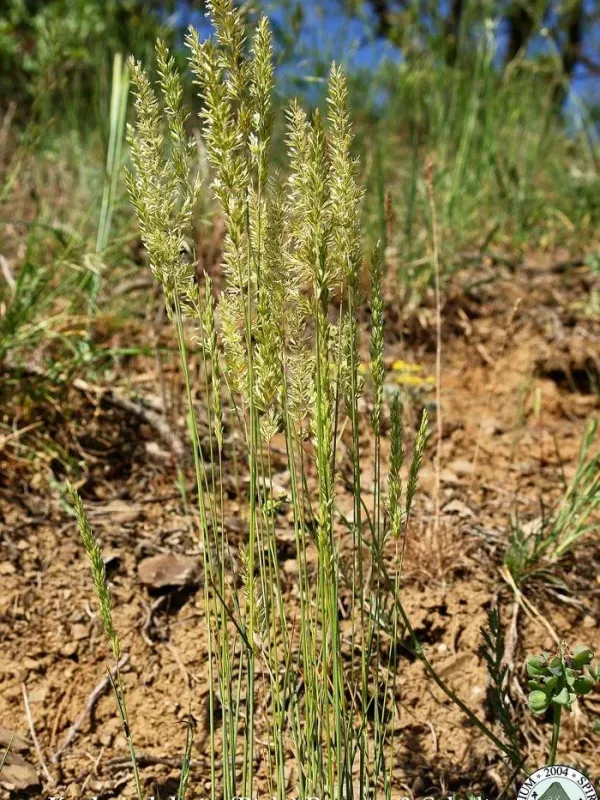
Description
Sowing dates
The optimal sowing time for Koeleria lobata is early spring when the soil temperature reaches 5-8 degrees Celsius. Autumn seeding is also possible to allow natural stratification of the seeds.
Due to the small size of the seeds, high-quality soil preparation is essential. Drilling the seeds at a row spacing of 15-20 cm ensures uniform coverage and helps the stand establish successfully.
Seed depth should be limited to 1-2 centimeters. Deeper sowing significantly reduces the germination energy, so precise calibration of the seeding equipment is crucial for success.
The seeding rate typically ranges from 8 to 12 kg per hectare for pure stands. When integrated into pasture mixtures, the rate is often reduced to 4-6 kg per hectare.
Growth during the first year is notably slow, as the plant focuses on developing its root system. Effective weed control during this establishment phase is critical for long-term viability.
Growing requirements
Koeleria lobata belongs to the Poaceae family and is a true xerophyte. It is highly adapted to regions characterized by low precipitation and prolonged dry summer periods.
This grass exhibits excellent winter hardiness, allowing it to survive harsh temperatures even without snow cover. It is well-suited for steppe and semi-arid environments.
It prefers sandy loam or light loamy soils. It performs poorly in waterlogged areas or fields with a high water table, as it is highly sensitive to root asphyxiation.
The plant requires full sun to reach its full productive potential. It should not be planted in shaded areas where competitive growth from taller species can stifle its development.
It is generally undemanding regarding soil fertility, often thriving on rocky or nutrient-poor soils where other grasses fail to establish effectively.
Yield
Yields of Koeleria lobata are modest but consistent, typically ranging from 1.5 to 2.5 tonnes of hay per hectare. It is highly valued for its reliability in drought years.
The primary use for this grass is in permanent pastures. It stands up well to livestock trampling and exhibits good regrowth rates after grazing, making it an excellent forage source.
Forage quality is highest during the vegetative stage before flowering. The crude protein content in the young shoots makes it a nutritious component of the livestock diet.
Seed production varies based on environmental conditions during the flowering phase. Yields of 150-300 kg per hectare can be expected under favorable conditions.
By including Koeleria lobata in seed mixtures, farmers can enhance the durability of the pasture, as it develops a robust root system that helps in soil erosion control.
Main diseases and pests
The main threats to Koeleria lobata are fungal pathogens, specifically rusts and various leaf spots, which may appear during periods of high humidity and poor air circulation.
Pests such as cereal aphids and various beetles can affect the plant. While generally resistant, dense stands can occasionally harbor populations that require targeted management.
Management practices such as proper crop rotation and maintaining balanced stand density significantly reduce the risk of large-scale disease outbreaks.
Chemical intervention should be considered a last resort. If insecticides or fungicides are used, ensure they are approved for use on forage crops and observe grazing intervals.
Routine mowing and maintenance of the grassland help minimize the buildup of pathogen-carrying plant debris, keeping the field healthy over the long term.
Harvesting
Hay harvesting should occur during the early flowering phase. This timing ensures the best balance between dry matter accumulation and nutritional quality.
The cut biomass dries relatively quickly due to the plant's physiological adaptations to arid climates, shortening the field drying time and preserving nutritional value.
When harvesting for seed, timing is critical. Harvesting begins when the color of the panicles changes to a light straw color, just before natural shattering occurs.
Direct or two-stage combining is used. In a two-stage process, the windrows are left to mature for 3-5 days to ensure even moisture content across the harvested material.
Post-harvest cleaning and drying to a moisture content of 12-13% are necessary to maintain seed viability and prevent mold during storage in well-ventilated facilities.